

Houston is the most populous city in Texas and, along with the Dallas-Fort Worth area, has a steadily growing Korean population. While Houston does not have a clearly defined 'Koreatown' like Dallas, there are several areas where Korean businesses and communities are concentrated. Below, I will summarize information about the Korean community and Koreatown in Houston.
Main Korean Concentration AreasSpring Branch Area
Located in the northwestern part of Houston, near the I-10 freeway (Katy Freeway), the area around Blalock Rd, Long Point Rd, and Gessner Rd has traditionally been referred to as 'Koreatown.'
This area is home to large Korean grocery stores (H-Mart, Zion Market, etc.), various Korean restaurants, beauty supply stores, dental offices, hospitals, and banks, allowing residents to meet most of their needs in one place.
It is the oldest Korean concentration area in Houston, with many Korean churches and organizations established since the early days of immigration.
Bellaire & Near Chinatown
In the southwestern part of Houston (centered around Beltway 8), an Asian business district known as 'Chinatown' (New Chinatown) has formed. There are also Korean restaurants, supermarkets, and beauty shops in this area, mixed with a diverse range of Asian cultures (Chinese, Vietnamese, Filipino, etc.), offering a variety of culinary experiences and products. While there are relatively more businesses focused on Chinese and Vietnamese cuisine in Chinatown, Korean restaurants and cafes have been gradually increasing recently.
Characteristics of the Korean CommunityKorean Businesses and Amenities
- Large Korean Markets: Stores like H-Mart, Zion Market, and Sinabro offer Korean ingredients, and various restaurants, bakeries, and beauty supply shops are nearby.
- Medical and Financial Services: There are Korean hospitals, dental offices, Korean banks (Prime Bank, Hanmi Bank, etc.), real estate agencies, and accounting firms, making it easy to access services in Korean.
- Korean Restaurants: There is a wide selection ranging from traditional Korean dishes to BBQ, snacks, and dessert cafes, especially busy on weekends and holidays.
- Houston Korean Association: The local Korean association organizes cultural events (e.g., Lunar New Year and Chuseok celebrations, K-POP festivals), seminars, and networking events.
- Local Media: Korean newspapers (e.g., Korean Journal, Houston News) and radio/internet media provide local news and information about various events.
Houston is relatively affordable compared to other major U.S. cities. The prices for single-family homes and apartment rents are lower than those in major cities on the East and West Coasts.
Many Korean families prefer suburban areas with good school districts and safety, such as Spring Branch (SBISD), Memorial, Katy (Katy ISD), and Cypress (Cypress-Fairbanks ISD).
Housing information can be easily obtained through Korean real estate agencies or community recommendations.
Houston has a subtropical climate with long, hot, and humid summers. From June to September, the average temperature exceeds 30 degrees Celsius, and the humidity is high, requiring physical adaptation. Winters are relatively mild, but occasional cold snaps can occur, so heating preparations are also necessary.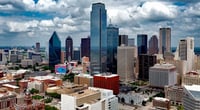



 Things to know |
 U.S. Weather Bureau News |
 Texas Real Estate Blog |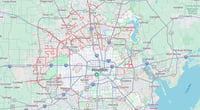
 Premium Gas Camp |
 Texas Migration Story |
  Tonky |
  viroma |
  cookie |
  Live and that's it |
  Alright Twain |
  eatontown blog |
  HAWAII Korean Church News |
  Amore |
  linex |
  Balancework |
  laro90 |
  MEDBIO American Doctor Blog |
  SWAT TEAM BLK |
  DREAM BIG |
  frostbite |
  330 Forever My Love |
  El Dorado |
  dralix58 |
  Gorama Round |
  Skydiving |