
The education environment in Texas is characterized by a broad system and various options, ranging from K-12 education to higher education (universities and graduate schools). The state is large and cities are dispersed, so the school environments and educational resources can vary slightly by region, but overall, Texas has significant competitiveness in terms of scale and diversity within the United States.
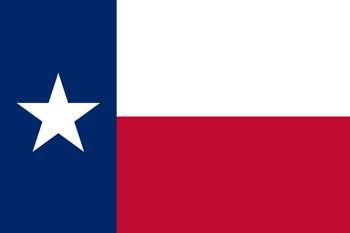
K-12 Education
Public School System (ISD, Independent School District)
- Texas has hundreds of independent school districts (ISD), each governing a specific area.
- There are differences in tax resources, student demographics, and educational philosophies among districts, leading to some variation in school quality.
- Some ISDs rank highly in state and national assessments (e.g., STAAR tests, AP, etc.), making them desirable for housing.
Charter Schools
- These are public schools that operate with relative autonomy, having received state government approval.
- Some schools excel in academic achievement and specialized programs, making them alternatives that parents consider.
Private Schools
- Private schools operate in various ways depending on tuition and educational philosophy.
- There are a wide range of types, including religious schools and alternative education schools, with some prestigious private schools having intense admission competition.
Homeschooling
- Texas has relatively lenient regulations on homeschooling, allowing parents to design and implement their own curriculum.
Higher Education (Universities and Graduate Schools)
University of Texas System
- This system includes several campuses centered around UT Austin (University of Texas at Austin), such as UT Dallas, UT Arlington, and UT El Paso.
- Notably, UT Austin is ranked among the top research universities in the U.S., excelling in major fields like engineering, business, and natural sciences.
Texas A&M University System
- This system includes Texas A&M University in College Station, along with several other campuses like A&M Commerce and A&M Kingsville.
- Originally focused on agriculture and engineering, it has now expanded to offer a wide range of majors as a large public university system.
Private Universities
- There are several prestigious private institutions, such as Rice University (Houston) and Baylor University (Waco).
- While admission competition is relatively intense and tuition is high, they attract students through scholarships and financial aid programs.
Community Colleges
- These colleges are spread throughout Texas, offering two-year educational programs and vocational training.
- They are affordable and community-oriented, making them popular among students aiming to transfer to four-year universities.
Regional Education Environments
Dallas-Fort Worth Area
- This area has many large school districts (ISD) and a variety of private and charter schools.
- It boasts a rich higher education infrastructure, including UT Dallas and SMU (Southern Methodist University).
Houston Area
- There are large school districts, including Houston ISD, Cypress-Fairbanks ISD, and Alief ISD.
- Major universities in the area include Rice University and the University of Houston.
Austin Area
- Austin ISD and nearby districts are generally rated among the top in the state.
- The University of Texas system, centered around UT Austin, leads higher education, with active connections to tech companies for entrepreneurship and R&D infrastructure.
San Antonio Area
- In addition to San Antonio ISD, there are large districts like Northeast ISD and Northside ISD.
- Texas State University (located in the nearby city of San Marcos) and UTSA (University of Texas at San Antonio) are responsible for higher education in the area.
Education-Related Features and Outlook
Increase in Student Population:
- Texas has a high influx of population, leading to a steady increase in public school enrollment.
- Investments in expanding schools and establishing new districts are actively underway.
Multicultural and Bilingual Environment:
- With a high Hispanic population and diverse demographics including Asian and African American communities, bilingual education programs (English and Spanish, etc.) are well established.
Focus on STEM Investment:
- As the IT, semiconductor, and aerospace industries grow, both the state government and businesses are actively investing in STEM education.
- There are many opportunities for students in related majors to participate in practical research and projects through university-linked research institutes and industry partnerships.
Education Finance and Policy Issues:
- Texas does not have a state income tax, funding education through property tax and sales tax.
- School budgets, teacher hiring, and educational programs can vary by region depending on financial conditions and political issues.
Texas has a massive education market, ranking among the top in the U.S. for both student and educational institution numbers. With many options for K-12 education, including public, private, and charter schools, the networks of public universities like the UT system and Texas A&M system are also extensively developed. Additionally, community colleges, graduate schools, and prestigious private universities reflect regional characteristics, providing an attractive educational environment for those seeking academic and career opportunities.








 xylora |
 wendra |
 Texas Migration Story |
 ultron78 |
 Aura-Infused WACAM |
  Tonky |
  viroma |
  cookie |
  Live and that's it |
  Alright Twain |
  eatontown blog |
  HAWAII Korean Church News |
  Amore |
  linex |
  Balancework |
  laro90 |
  MEDBIO American Doctor Blog |
  SWAT TEAM BLK |
  DREAM BIG |
  frostbite |
  330 Forever My Love |
  El Dorado |
  dralix58 |
  Gorama Round |
  Skydiving |