
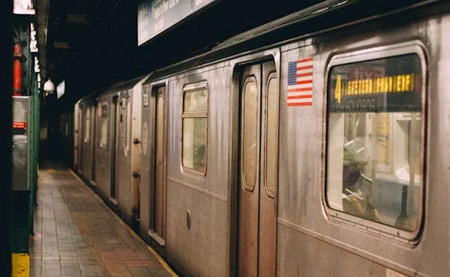
The New York City Subway is one of the largest public transportation systems in the world, serving as a vital means of transport connecting Manhattan, Brooklyn, Queens, and the Bronx.
With an average of over 5 million passengers daily, this system plays a crucial role in New York City's transportation network, deeply impacting the city's economy, culture, and society.
History of the New York Subway
The history of the New York Subway began in 1904. That year, the first subway line, the IRT (Interborough Rapid Transit), opened, making New York home to the largest subway system in the world.
Early History
- On October 27, 1904, the subway connecting Manhattan and the Bronx opened, making it the largest urban rail system in the world at that time.
- In the 1920s, additional lines such as the BMT (Brooklyn-Manhattan Transit) and IND (Independent Subway System) were opened, gradually expanding the system to Brooklyn, Queens, and even the Bronx.
Development of the Subway
- In the 1930s, despite facing economic difficulties during the Great Depression, the subway remained a major means of transport in the city.
- In the 1940s, several companies merged, and the subway system was consolidated under the MTA (Metropolitan Transportation Authority).
- In the 1980s, the subway system faced challenges due to rising crime rates and aging infrastructure, but in the 1990s, the MTA regained financial stability and restructured the system, once again becoming a central part of metropolitan transport.
The Current New York Subway
Today, the New York Subway boasts 11 lines and 472 stations, making it one of the largest subway systems in the world. Lines from A to Z connect various parts of the city, with cross lines centered around Manhattan playing a significant role.
Major Lines
- Lines 1, 2, 3: Major lines running vertically through Manhattan, connecting downtown and uptown.
- Lines 4, 5, 6: Starting from the Bronx, these lines run along the east side of Manhattan.
- Lines A, C, E: These lines cross Brooklyn and Manhattan, enhancing connections to trendy neighborhoods.
- Line L: Connecting Manhattan and Brooklyn, this line is crucial for linking trendy areas like Williamsburg and Greenwich Village.
- Lines N, Q, R, W: Major lines connecting Queens and Manhattan, passing through Times Square and Soho, extending to Flushing in Queens.
Key Features
- 24-hour operation: The New York Subway operates 24 hours a day, 7 days a week, making it one of the busiest public transportation systems in the world, allowing New Yorkers to travel without inconvenience.
- Affordable fares: The subway fare is $2.75, making it an economical choice for many. Additionally, payment can be conveniently made through MetroCard or OMNY (smartphone payment system).
- Transfer options: Passengers can freely transfer between the subway and buses, with a free transfer system available on certain routes, facilitating convenient travel.
Impact of the New York Subway
1. Economic Impact
The New York Subway has a significant impact on the economy. Millions of passengers use it daily, playing a vital role in energizing the city's commerce and culture. The ease of movement between commercial districts and residential areas enhances economic activity in New York City.
2. Cultural Icon
The subway is a cultural icon of New York, frequently appearing in films, music, and literature. It connects various neighborhoods like Brooklyn and Manhattan and is considered the heart of New York. The subway has also been an important element in cultural contexts such as Springfield and Shakespeare.
3. Urban Development
The expansion of the subway has significantly contributed to urban development and revitalization. Areas connected by the subway have seen housing development and commercial expansion, greatly influencing the rise in real estate values in Brooklyn and Queens.
Modern Challenges and Changes of the Subway
Today, the New York Subway faces several challenges. Aging facilities, traffic congestion, and safety issues remain areas for improvement. However, the MTA (Metropolitan Transportation Authority) is working to modernize the subway system and introduce smart technologies.
- Introduction of smart systems: Recently, a contactless payment system called OMNY has been introduced, allowing passengers to easily pay fares using smartphones or cards.
- Redevelopment and improvements: Projects to refurbish subway lines and upgrade aging facilities are ongoing, particularly with the installation of elevators to improve station accessibility.
The New York Subway is more than just a means of transport; it is a crucial part of urban life. With its historical significance and modern transformations, the New York Subway will continue to be an essential transportation option for both New Yorkers and tourists.








 Weekend Movie Blog |
 Beauty, Health, Lifestyle Blog |
 coloradoman |
 Superman Cat Blog |
 novapixel |
  DREAM BIG |
  frostbite |
  330 Forever My Love |
  El Dorado |
  dralix58 |
  Gorama Round |
  Skydiving |
  dreamport |
  Yellow Snowman |
  Toaster Pizza Magic Show |
  velvetnom |
  Anytime Journey |
  Mrs. Duluth |
  jaxter |
  Atlanta Mama |
  Baguette Blog |
  Tan Sol |
  US Embassy |
  Korean Mom |
  My NYC |