
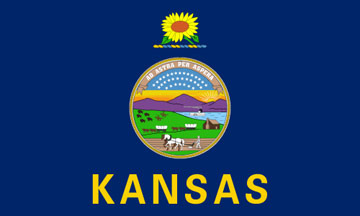
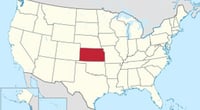
Kansas was once a major focus in American history due to the slavery debate. In the mid-19th century, the construction of the transcontinental railroad was a nationally significant project. This railroad was an important transportation route connecting to California, and Kansas and Nebraska were selected as key routes for the railroad.
Kansas has been land inhabited by Native Americans for thousands of years. Tribes such as the Osage, Kickapoo, and Kaw lived in this area, primarily engaging in farming and hunting on the plains. Spanish explorers were the first to visit in the 16th century, and it was later under the control of France and the United States.
After the Louisiana Purchase in 1803, it remained a wilderness, and the federal government elevated Kansas to a territory in 1854 to develop it and allow the railroad to pass through. However, according to the Missouri Compromise, Kansas was located north of the 36°30' line, which prohibited slavery, and most of the settlers who arrived here were opposed to slavery.
To resolve this, the Kansas-Nebraska Act (1854) was passed, allowing residents to vote on the issue of slavery. This led to intense conflict and violence between pro-slavery and anti-slavery factions, earning Kansas the nickname "Bleeding Kansas."
On January 29, 1861, Kansas joined the United States as the 34th state, opposing slavery as a free state. During the Civil War, it played a symbolic role against slavery. Along with railroad construction, agriculture, particularly wheat production, became the main economic activity. It earned the nickname "Breadbasket of America," and in the 20th century, the aviation and energy industries also developed.




 US Regional Information Blog |
 business life |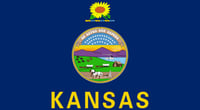
 Kansas City Representative Singer |
 Information on All Regions of the United States |
  DREAM BIG |
  frostbite |
  330 Forever My Love |
  El Dorado |
  dralix58 |
  Gorama Round |
  Skydiving |
  dreamport |
  Yellow Snowman |
  Toaster Pizza Magic Show |
  velvetnom |
  Anytime Journey |
  Mrs. Duluth |
  jaxter |
  Atlanta Mama |
  Baguette Blog |
  Tan Sol |
  US Embassy |
  Korean Mom |
  My NYC |