
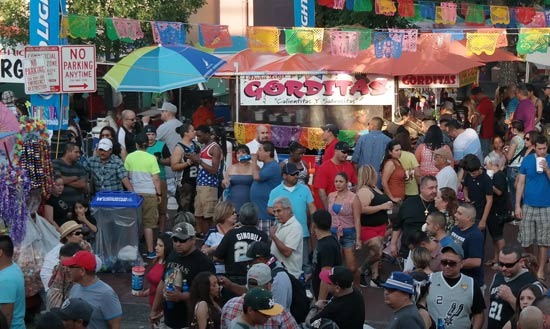
Living in San Antonio, you gradually start to get a feel for the atmosphere of the area. I live in the northwest part of San Antonio near the 10 freeway, and I have begun to see the character of the people in this city.
Most San Antonio locals are part of a generation that has witnessed the slow growth of this city firsthand. They remember not just the times when the roads were wide and shopping centers were plentiful, but also the days when the outskirts of the city were almost entirely farmland or wasteland.
Perhaps because of this, when development is mentioned, the first reaction is often not outright opposition, but rather, "Wow, this place has changed a lot." There is a unique sense of ease and a strange pride among locals who have experienced nearly 40 years of steady growth in the SA area from the 1980s to the 2020s.
The sentiment of those living near military bases is quite different. This area sees a constant influx and departure of people from all over the country, centered around the joint base. Neighbors quickly become friends, only to say goodbye a few years later, creating a cycle of relationships. As a result, the people in this neighborhood naturally accept newcomers from other states and send them off with a sense of calm. Forming and parting ways is a part of daily life, making relationships both cool and warm.
The weather and geographical environment of San Antonio have also shaped the character of its residents. The scorching summer heat, sudden downpours, and the unique position near the Mexican border contribute to this. People here strongly identify as Americans while also embracing Mexican culture, language, food, and music as part of their daily lives. This dual culture is seamlessly integrated into everyday life.
This city is gradually transforming from a typical military town into a more livable urban area. While it was once centered around military-related industries and training facilities, it is now changing with the influx of healthcare, education, tourism, logistics, and IT companies. Housing prices are steadily rising, and competition in good school districts has intensified. Coffee shops, parks, walking trails, and bike paths are also continuously increasing. Clearly, the city is moving in a positive direction.
However, shadows are also evident. Some areas near downtown still suffer from severe slum conditions, and there are many neighborhoods with high crime rates. It is common for the atmosphere to change completely from one block to the next. The coexistence of luxury apartments and homeless camps on the same street starkly illustrates the polarization of this city. As development progresses rapidly, rising housing prices are increasingly pushing original residents to the outskirts.
San Antonio embodies the advantages of a growing city, the stability typical of a military town, and the openness of the Tex-Mex cuisine culture among Hispanic residents. On the flip side, structural issues such as slum conditions, crime, and housing disparities are accumulating.
How these two directions will balance out will likely determine the future of this city.
 USAToday





 Helpful Life Stories |
 American Man in a Mask |
 Hajiwon Blog Hair Salon |
 Make My Day |
 TEXAS Fishing Boat |
  Anytime Journey |
  Mrs. Duluth |
  jaxter |
  Atlanta Mama |
  Baguette Blog |
  US Embassy |
  Korean Mom |
  My NYC |
  moo moo |
  Mr Oh |
  forevergee |
  festival |
  manchester |
  constant |
  Leapfrog Move |
  vibranto |
  Tora Tora |
  yellowbutter |
  Dolly |
  NYC saladbar |