
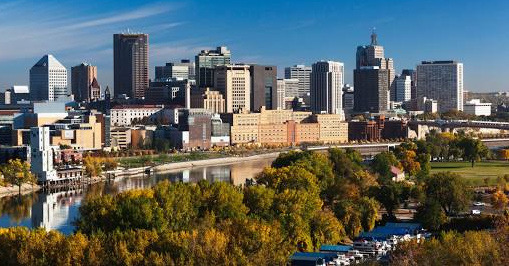
The history of Minnesota is filled with diverse and rich stories, much like a drama.
The area of Minnesota is about 225,356㎢, comparable to or slightly larger than the 223,000㎢ of the Korean Peninsula. This vast land is home to numerous lakes, which is evidenced by its nickname, 'Land of 10,000 Lakes.' In fact, the officially counted number of lakes exceeds ten thousand, making it an irresistible destination for nature lovers.
This land was originally inhabited for hundreds of years by various indigenous tribes, including the Dakota and Ojibwe, whose traditions and cultures remain an important heritage in the region today.
In the 17th and early 18th centuries, French explorers began to step into the area, gradually introducing European influence to Minnesota. They primarily visited for the fur trade, and the natural landscapes and interactions with the indigenous people provided new opportunities for both sides. However, cultural clashes and changes became an unavoidable reality.
As the 19th century approached, the U.S. government increased its interest in the region as part of its westward expansion policy. Eventually, Minnesota was incorporated as the 32nd state of the United States in 1858, and the rapid migration and development at that time brought significant changes to the state's politics, economy, and society. With the construction of railroads, agricultural advancements, and industrial innovations, it became an important economic center in the Midwest beyond just its natural scenery.
Entering the 20th century, Minnesota began to stand out in education, healthcare, and the arts, forming a unique cultural identity within the United States. Additionally, as indicated by its nickname 'Land of 10,000 Lakes,' the numerous lakes and rich natural resources promoted the development of tourism and recreation industries, attracting many visitors today who wish to experience both nature and history.
For those who enjoy urban living, the Twin Cities area, the most populous region in the state, cannot be overlooked. This metropolitan area centered around Minneapolis and St. Paul boasts the second-largest economy in the Midwest and excels in finance, culture, and the arts. A visit here will allow you to experience the modern vibe of the city alongside the rich history and harmony of nature.
Looking into the history of Minnesota reveals not just the development of a region, but a vibrant narrative created by the blending of various cultures and ethnicities. If you have an interest in travel or history, visiting Minnesota to directly feel the centuries-old stories embedded in the land will be a special experience.




 Magic Cabbage School of Martial Arts |
 Vacation on Hawaii |
 morvex37 |
 Ari Songhan American Immigration Life |
 Bearded Strawberry Smoothie |
 Minnesota Lakes and Clouds |
 quatspace |
 chiobase |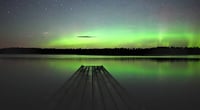
 U.S. Weather Bureau News |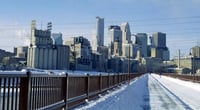
 Tonky |
  viroma |
  cookie |
  Live and that's it |
  Alright Twain |
  eatontown blog |
  HAWAII Korean Church News |
  Amore |
  linex |
  Balancework |
  laro90 |
  MEDBIO American Doctor Blog |
  SWAT TEAM BLK |
  DREAM BIG |
  frostbite |
  330 Forever My Love |
  El Dorado |
  dralix58 |
  Gorama Round |
  Skydiving |