
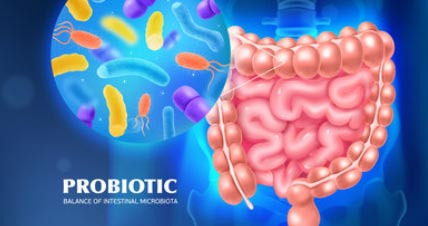
Today, let's explore the representative diseases that are known to occur or worsen due to a lack of gut microbiota (probiotics). The gut environment is directly linked to our overall health, so a deficiency in beneficial bacteria can lead to various symptoms. However, please note that not all diseases can be definitively attributed to a lack of beneficial bacteria, as multiple factors can interact.
Antibiotic-associated diarrhea and pseudomembranous colitis
These are the most common side effects that can occur when taking antibiotics. Antibiotics can wipe out not only harmful bacteria but also beneficial ones, leading to an imbalance in the gut and resulting in diarrhea. In severe cases, an overgrowth of a bacterium called Clostridium difficile can occur, causing a condition known as pseudomembranous colitis.Irritable bowel syndrome (IBS)
While various factors such as stress and dietary habits can interact, a lack of gut microbiota is also closely associated with the occurrence of irritable bowel syndrome. When beneficial bacteria decrease, the digestive process may not function smoothly, leading to increased gas production and worsening symptoms.Inflammatory bowel disease (IBD: Crohn's disease, ulcerative colitis)
Although genetic and environmental factors interact, an imbalance in the gut microbiome is also one of the important causes. When beneficial bacteria are lacking, the intestinal mucosa can be easily damaged, leading to severe inflammatory responses and worsening chronic inflammatory diseases like Crohn's disease or ulcerative colitis.Decreased immunity and increased infections
Did you know that a significant number of immune cells are distributed around the intestinal mucosa? Sufficient beneficial bacteria are necessary to suppress pathogenic bacteria and maintain proper immune function. A lack of gut microbiota can make you more vulnerable to various infectious agents and viruses from the outside.Allergic diseases
Allergic reactions and atopic dermatitis, which are immune hypersensitivity responses, are also closely related to the gut environment. It is known that a deficiency in probiotics can lead to an excessive immune response, increasing the likelihood of allergies and various skin conditions.
Ultimately, a lack of gut microbiota can have various negative effects not only on the digestive system but also on overall health. It is advisable to create an environment where beneficial bacteria can thrive through the consumption of fermented foods and dietary fibers, and if severe symptoms occur, consulting a professional is recommended. If you also incorporate regular lifestyle habits, appropriate exercise, and stress management, your little friends (beneficial bacteria) in your body will grow healthier, right? I hope everyone takes care of their gut health and enjoys a vibrant daily life!








 U.S. Weather Bureau News |
 Things to know |
 Texas Real Estate Blog |

 action blog 101 |
  manchester |
  constant |
  Leapfrog Move |
  vibranto |
  Tora Tora |
  yellowbutter |
  Dolly |
  US Embassy |
  NYC saladbar |
  Finding Superfoods |
  lightyear |
  song bang |
  vexomo |
  Indiana Jones |
  meloncat |
  novapixel |
  mortrix |
  Esther 1983 |
  fortbliss |
  Moscow Kim |