


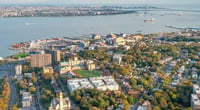
Staten Island is considered one of the boroughs of New York City that has maintained a modest population growth in recent years. This trend is supported by families relocating to escape the high living costs of Brooklyn and Manhattan.
The industrial base is relatively simple compared to other boroughs. The healthcare industry, centered around Staten Island University Hospital, serves as the largest employer in the area, while the commercial district near the St. George Ferry Terminal supports tourism and retail. There are also signs of continued investment in commercial facilities in the North Shore area following the opening of the Empire Outlets.
The unemployment rate is slightly lower than the New York City average, hovering around the high 3% to low 4% range. Income levels rank among the highest of the five boroughs, reflecting a high proportion of middle-class households in the area.
In terms of infrastructure, plans for express bus routes on the North Shore and waterfront development around the ferry terminal are consistently being discussed. Road improvement projects related to the Staten Island Expressway are also included in long-term plans, which could somewhat enhance access to Manhattan if completed.
The housing market is characterized by a high proportion of single-family homes and townhouses, making it one of the boroughs where it is relatively possible to find homes with yards within New York City. This characteristic continues to attract interest from Korean families raising children.
However, the reliance on ferries and buses for access to Manhattan presents a clear limitation due to longer commuting times. Unless public transportation connections between Brooklyn and Staten Island improve, this aspect may continue to act as a ceiling on regional growth in the future.
For Korean families, the combination of relatively low purchase prices and single-family homes with yards remains an attractive factor. However, the slow pace of transportation infrastructure improvements suggests that prioritizing residential stability over capital gains may be a more reasonable approach.
Overall, Staten Island appears to be a region that continues to experience relatively stable population growth within New York City, and the extent of growth in the next ten years will depend on how much transportation infrastructure improves.
 DevotedSis
 ChocoTime






 garlic bread |
 Sugar Cream Door Bulletproof Noodles |
 urbanmint |
 |
| 
 Premium Gas Camp |
 crystalo |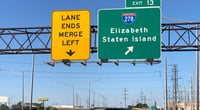
 lavender |


 dermoon |
  draxen |
  gallery |
  milkyotter |
  Zoom Zoom Zoom |
  Minnesota Lakes and Clouds |
  noraro |
  tervox95 |
  vale vale |
  yentra |
  Golden life |
  andrew park |
  Peter Pan Pet |
  Balan |
  Cali M Law Group |
  neroyo |
  Dreams Come True as Desired |
  Khan Film Blog Production |
  coloradoman |
  Living Economy Information Blog |
  rustley |