

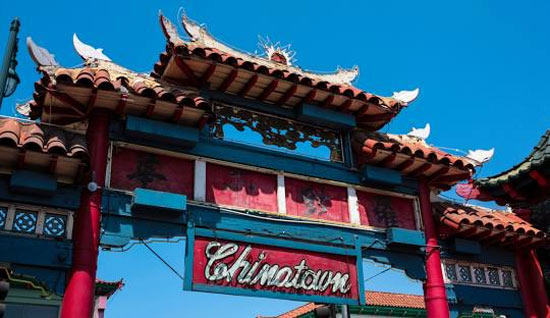
About 20 years ago, when I first visited Chinatown in downtown LA, it felt like a scene from a movie. Red lanterns hung, and buildings with tiled roofs were adorned with Chinese signs.
However, returning these days, I noticed a different atmosphere compared to 20 years ago. Once-bustling alleys now feel desolate, and closed shops are more noticeable on many days.
Tourists still take photos and line up in front of popular Chinese restaurants, but that vibrancy is merely superficial. As I bite into a meat bun in front of a dim sum shop, I can't help but think that the energy is not what it used to be. When did it become so worn and loose? Is it a change that occurred as the first-generation Chinese left and their children moved to better neighborhoods?
A thought suddenly crosses my mind. If this is the future of Chinatown, will Koreatown also eventually change in the same way?
Currently, Koreatown is one of the hottest and busiest neighborhoods in LA. People line up for samgyeopsal, and cafes play music until dawn. The energy attracts young immigrants, students, IT workers, and investors. But time is fair to everyone, and the trends in cities always change like the wind.
One day, rent may skyrocket here, new developments may come in, and a shop or two may start to close, leading to a day when it becomes just a name like Chinatown. Will the flavors and sounds we loved slowly fade away? What if it turns into another themed street consumed only as a tourist spot?
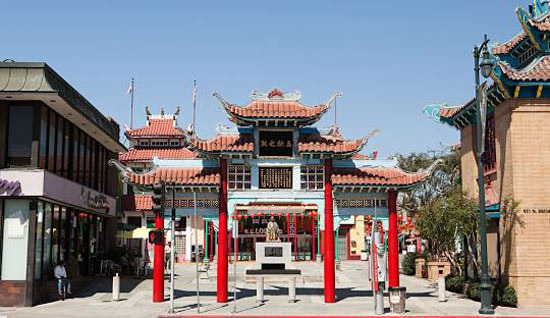
As I walk through the alleys of Chinatown, I find myself slowing down for no reason. The small traces of flavor remaining between the closed shops, a cup of Taiwanese bubble tea with chewy pearls, and the rich aroma of pork noodles can quickly satisfy my hungry stomach. That satisfaction from a meal is still very real.
However, that charm now seems to shine only for travelers. For someone visiting for the first time, it may seem exotic and fascinating, but the stillness and loneliness seeping through the old brick gaps can no longer be hidden. The scenery that once seemed bustling now only faintly echoes at the end of the alley.
In front of that scene, I can't help but think of my aging self. Turning 40, I often find myself acknowledging that I am not what I used to be. My stamina, passion, and once-bright choices now require more thought and reflection. Seeing the faded signs of Chinatown feels like my youthful days are also gradually losing their color. Neighborhoods, like people, flow, are worn down by time, and endure while taking on new forms. Even if only the name remains, the time and stories that passed through there do not disappear.
Still, the thread of hope exists. It may be quiet now, but there is no guarantee that Chinatown will remain in this state forever. Empty shops could be filled by a new generation, and another culture could come in and bring back vitality.
Koreatown may also face decline someday. The era of lining up for samgyeopsal and chatting all night in K-cafes may pass, and it could become just a memory in the face of development. But another young immigrant, entrepreneur, or artist will fill this space in ways we cannot imagine. Time can tear down, but it always leaves behind new seeds.
The Chinatown I walked through was a neighborhood that had once passed through a glorious time. The sunset light spreads across the gray walls, and the old signs sway in the wind, showing the remaining vitality. It was once filled with someone's dreams, and the shops that supported families carry the scent of sweat and laughter from the first-generation immigrants in these bricks.







 Weekend Movie Blog |
 Beauty, Health, Lifestyle Blog |
 coloradoman |
 Superman Cat Blog |
 novapixel |
  dralix58 |
  Gorama Round |
  Skydiving |
  dreamport |
  Yellow Snowman |
  Toaster Pizza Magic Show |
  velvetnom |
  Anytime Journey |
  Mrs. Duluth |
  jaxter |
  Atlanta Mama |
  Baguette Blog |
  US Embassy |
  Korean Mom |
  My NYC |
  moo moo |
  Mr Oh |
  forevergee |
  festival |
  manchester |