This area receives about 47 inches of snowfall annually, but what you need to pay attention to more than just the numbers is the unpredictability.
There are days when snow suddenly piles up due to lake effects, and there are periods of several days with overcast weather that can dampen your mood. The gray skies from November to February can be a significant psychological factor for newcomers. Many people express surprise at how much they feel the lack of sunlight.
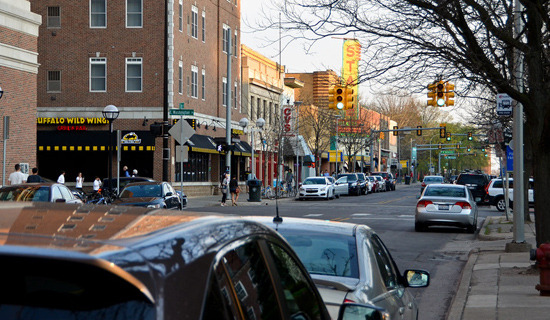
However, the reason this city is attractive is that it's not just about winter. When spring arrives, the atmosphere completely changes. By late April, flowers bloom on the trees, and the campus and parks suddenly regain their colors. People who have been cooped up all winter come out all at once, giving the city a vibrant feel. The transformation during this time is quite dramatic, making you feel that enduring winter is worth it.
Summer is surprisingly pleasant. The average high temperature in July is in the low 80s, so while it can be hot, it's not the stifling humidity you find in southern regions. Of course, there are days when it exceeds 90 degrees, and sudden thunderstorms can occur, but overall, there are many days when you can live with the windows open. The need for air conditioning is not prolonged.
Many people's favorite season is fall. When the leaves start to change color between September and October, the city's atmosphere transforms completely. Especially with the Michigan Wolverines football team season overlapping, the city comes alive every weekend. The weather is neither too hot nor too cold, making it the best time for walks or outdoor activities.
In conclusion, the weather here is certainly not easy. Especially winter is not just about being cold; it can change your entire lifestyle. Therefore, I always tell those considering moving here to try to experience winter at least once before making a decision. If you can endure that, the other three seasons will be much more satisfying than you might expect.

 bluestarcreator1966
 sunsetroadbuilder1941



 Smile Face |
 Helpful Life Stories |
 Casa Mia |
 Study Abroad Life Know-How Tips |
 pravix22 |
 crumb |
  InDiGo |
 marydock |


 newyorker 101 |
  coffeee |
  |
|  Christopher |
  sylven |
  Sammy Beach |
  Bliss O |
  blue ocean |
  greenlight |
  Watanaka Karametibaksa |
  castle |
  xelton52 |
  carefree |
  vrixen73 |
  AZ Road Master |
  Victory 1988 |
  summita |
  business lim |
  Colorado Lee |
  Make My Day |