

Grand Rapids is a region where the burden of winter heating costs is significantly greater than summer cooling costs due to its Midwestern climate characteristics.
Since energy usage patterns vary greatly by region, it is helpful to understand the actual utility costs before moving to assist with budget planning.
In terms of electric rates, the main electric suppliers in Grand Rapids are Consumers Energy and DTE Energy. The electric rate in Michigan is approximately 17 to 19 cents per kWh for the years 2024-2025, which is similar to or slightly higher than the national average of about 16 to 17 cents. During the summer months (July and August), many households use between 800 and 1,000 kWh due to air conditioning, resulting in electric bills ranging from $140 to $190. Thanks to Grand Rapids' summer high temperatures of around 85 to 90°F (29 to 32°C), which are lower than those in southern regions, the electric costs are less burdensome compared to those in Texas or Florida.
The real burden of heating costs in Grand Rapids occurs during the winter. Most homes in Grand Rapids use natural gas heating systems. Consumers Energy is also the main supplier of natural gas.
Winter gas bills (December to February) can vary significantly based on the size of the home and its insulation, but it is common for a typical 2,000 square foot (about 186 m²) single-family home to incur monthly costs of $200 to $350. In years with unusual cold snaps, some households may see gas bills exceeding $400.
It is realistic to expect combined monthly utility bills for electricity and gas to be around $300 to $500 during the winter. However, the level of insulation in the home has a decisive impact on these costs. Many single-family homes built between the 1950s and 1980s in Grand Rapids may have inadequate insulation. It is important to thoroughly check the condition of insulation, whether windows are double-paned, and the year of the heating system replacement before moving. Michigan offers state programs and tax credits to support home energy efficiency improvements, providing cost-saving benefits for insulation work or energy-efficient equipment replacements.
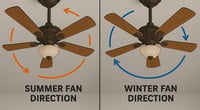
Tips for reducing summer cooling costs are also shared among local residents. Summer nighttime temperatures in Grand Rapids often drop to around 60°F (16°C), leading many households to save on cooling costs by opening windows for ventilation instead of using air conditioning. Utilizing ceiling fans and window blinds during the day are also known effective methods for reducing cooling expenses.
Water bills are supplied through the Grand Rapids Water Department, typically ranging from $50 to $80 per month for a standard family of four. Michigan is located in the Great Lakes watershed, providing abundant water resources and no issues with water shortages, and the water quality is rated among the best in the nation. Although there were concerns about water quality in Michigan due to the Flint water crisis from 2014 to 2019, the Grand Rapids water system operates separately from Flint and maintains normal water quality test results.
Communication costs, including internet and cable, are available from major suppliers like Comcast Xfinity and AT&T, typically ranging from $50 to $100 per month. Overall, it is appropriate to estimate the monthly utility costs for a typical Grand Rapids household (electricity + gas + water + internet) to be about $250 to $350 in summer and about $400 to $600 in winter. While the burden of winter heating costs is greater compared to southern or western coastal cities, local residents evaluate that the overall cost of living and housing expenses are lower, resulting in a balanced overall budget.
 AcornGo
 DreamGarden99
 ZidaneFat





 Arizona AZ Cowboy |
 Valley Hong |
 Mr Oh |
 Helpful Life Stories |
 apricotla |
 carpflow |
 oneonly |
  icotla |
 So is multiplied by So, So Ji-sub |
  Where is a really nice neighborhood? |
  Real Estate |
  Forest Gump |
  Real Estate Investment Korean American |
  Dollydori, Lover of Movies |
  dmzline |
  travelo |
  American Food Information & Calories |
  Splendid Mission |
  sparklingo |
  Watch Walker |
  Soy Angelino |
  autumn |
  K-POP TV News |
  cortiva6 |
  Nevada Teppanyaki |
  aerion99 |
  Golado |
  Maximum Pro |
  Joyce blog |