

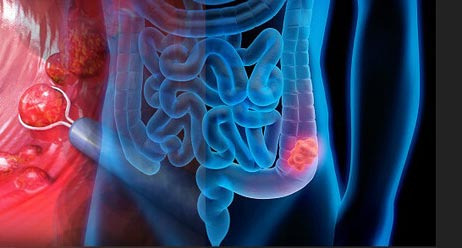
The warriors in our body fighting cancer cells are actually of various types, but there are three representative friends.
Cytotoxic T cells, NK cells, and macrophages, each with distinct and unique roles.
First, cytotoxic T cells (CD8+ T cells). As the name suggests, they are special forces that specifically target cancer cells.
They recognize and attach to unique proteins on the surface of cancer cells, issuing a command for cell death (apoptosis), essentially saying 'die.'
They create holes in the cancer cell membrane using a protein called perforin and dismantle internal proteins with an enzyme called granzyme, effectively eliminating the cancer cells.
The immunotherapy drugs you may have heard of recently (e.g., PD-1/PD-L1 inhibitors) work by reviving or enhancing the power of these T cells.
Next are natural killer cells (NK cells). They are a bit different.
Unlike T cells, they do not check the 'signs' of cancer cells in a complicated manner; they attack immediately if they sense something is off.
Thus, they can quickly identify cancer cells or virus-infected cells even without recognition systems like MHC.
They can be considered the frontline of innate immunity, responsible for speed. They play a significant role in quickly suppressing cancer at very early stages. Nowadays, there is also research on NK cell therapy enhanced by genetic engineering, known as CAR-NK.
Finally, macrophages. As the name suggests, they are 'big eating cells' that can directly engulf cancer cells and secrete cytokines to awaken other immune cells. The problem is that these macrophages do not always side with the 'good guys.'
Some actually help cancer cells grow, and these are referred to as 'TAM (tumor-associated macrophage).' Recent research is focusing on converting them from 'M2 type' to 'M1 type' to make them fight cancer.
In summary, cytotoxic T cells are precision strike specialists, NK cells are rapid response task forces, and macrophages are supporters who fight on the front lines while assisting other warriors. These three must work together to effectively combat cancer.






 Tora Tora |
 neroyo |
 nivex85 |
 Old English |
 nixxon |
 Korean Blog |
 Coastal city |
 Sammy Beach |
 Key spots |
 Tonky |
  viroma |
  cookie |
  Live and that's it |
  Alright Twain |
  eatontown blog |
  HAWAII Korean Church News |
  Amore |
  linex |
  Balancework |
  laro90 |
  MEDBIO American Doctor Blog |
  SWAT TEAM BLK |
  DREAM BIG |
  frostbite |
  330 Forever My Love |
  El Dorado |
  dralix58 |
  Gorama Round |
  Skydiving |