
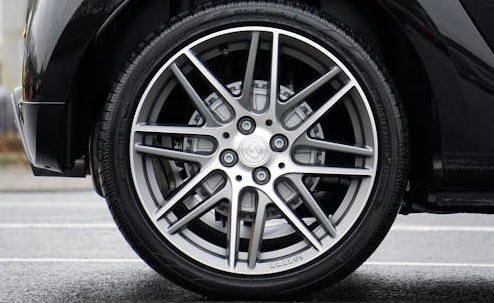
Tires are a crucial component that affects the safety of your vehicle, so knowing the appropriate replacement timing and maintenance methods is very important. Proper tire management can improve fuel efficiency, enhance driving safety, and extend tire life. Now, let's take a closer look at tire replacement timing and maintenance methods!
Tire Replacement Timing
The timing for tire replacement varies depending on usage conditions, but generally, you can refer to the following criteria. Check the tire's tread wear indicator (TWI). There are small wear indicators visible on the tire tread that become more apparent as wear progresses. When this indicator is equal to the tread depth, it is time for a replacement. When the wear indicator is equal to the tread depth, the tire can no longer safely contact the road, which may lead to slipping or insufficient braking. Generally, you should replace tires when the tread depth is below 1.6mm.
Tire Age
Over time, tires can harden due to aging, which can reduce performance. It is generally recommended to replace tires every 6 to 10 years. You can check the manufacturing year through the DOT number on the sidewall of the tire, which is useful information for determining the tire's age. If the DOT number is "1518", it means this tire was manufactured in week 15 of 2018.
Tire Damage
If there are holes, cracks, bulges, or deformations in the tire, it should be replaced immediately. Such damage can severely compromise the tire's durability and pose risks of blowouts or tire failure while driving.
Abnormal Symptoms While Driving
If you notice tire noise, vibration, or abnormal shaking while driving, it may indicate that the tire is unbalanced or has already worn significantly. In such cases, the tires should be inspected and replaced if necessary.
Tire Maintenance Methods
Proper tire maintenance can extend their life, improve fuel efficiency, and enhance driving safety. Tire maintenance can yield significant benefits with just simple checks. Tire air pressure is a very important maintenance item. If the air pressure is too low, it can accelerate tire wear, reduce fuel efficiency, and decrease driving stability. Conversely, if the air pressure is too high, it can reduce the tire's grip, making handling difficult.
- Check tire air pressure once a month or when the tires are cold.
- The recommended air pressure by the vehicle manufacturer can be found on the inside of the vehicle door, fuel filler door, or in the owner's manual.
Tire Alignment
Alignment is the process of adjusting the tires to be perfectly parallel to the road. If the tire alignment is off, it can cause uneven wear, make handling difficult, and shorten tire life. If the vehicle's steering wheel pulls to one side or if the tires wear unevenly, an alignment check is necessary. If the tire balance is off, the vehicle may shake or wear one side of the tire unevenly. If you experience tire vibrations or abnormal noises while driving, please check and adjust the balance.
If dirt or contaminants get on the tires, it can damage the rubber. Using tire cleaner to keep the tires clean can help maintain the rubber's flexibility for a long time.
Types of Tires and Selection
The type of tire is also an important factor. There are all-season tires, winter tires, and summer tires, and it is important to choose tires that match the climate and driving conditions. In winter, using winter tires is a way to enhance safety. Tires play a crucial role in vehicle safety, so regular inspections and maintenance are essential. Pay close attention to the wear condition of the tires, check the air pressure frequently, and perform tire rotations and alignment checks to ensure long tire life. Please take care of tire maintenance for safe and efficient driving!








 forevergee |
 mortrix |
 cherrydino |
 victoria 68 |
 American Man in a Mask |
 quanta7 |
 Living with a Consistent Heart |
 |
| 
 U.S. Weather Bureau News |
 Dallas Fort Worth DFW |
  DREAM BIG |
  frostbite |
  330 Forever My Love |
  El Dorado |
  dralix58 |
  Gorama Round |
  Skydiving |
  dreamport |
  Yellow Snowman |
  Toaster Pizza Magic Show |
  velvetnom |
  Anytime Journey |
  Mrs. Duluth |
  jaxter |
  Atlanta Mama |
  Baguette Blog |
  Tan Sol |
  US Embassy |
  Korean Mom |
  My NYC |