

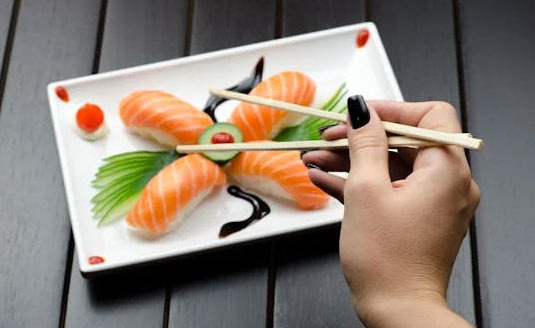
Salmon is known not only for its taste but also as a representative health food rich in omega-3 fatty acids and protein.
In the U.S., salmon has long been a beloved seafood, and recently, as a health-conscious food culture has spread, consumption has been steadily increasing. Today, we will take a closer look at the current status of salmon consumption in the U.S., key trends, and the countries from which salmon is primarily imported.
The U.S. is considered one of the world's leading salmon consumption markets. Over 900,000 tons, or more than 200 million pounds, of salmon are consumed by Americans each year, which represents a significant portion of global salmon consumption.
This figure clearly shows that health awareness is gradually increasing in the U.S. In particular, after the COVID-19 pandemic, the demand for 'immune-boosting foods' and 'home-cooked meals' has increased, leading to a significant rise in salmon consumption.
First, health-oriented consumption is the biggest reason. Salmon is rich in omega-3 fatty acids, which are known to protect cardiovascular health and help improve brain function and reduce inflammation. Additionally, it is also rich in protein and vitamin D, making it popular in diet and fitness plans.
Second, the diversity of cooking methods supports the increase in consumption. Salmon can be eaten raw as sashimi or sushi, and can also be prepared by smoking, grilling, steaming, or in salads, making it suitable for any country's food culture. In the U.S., it is very common to grill salmon at barbecue parties or to serve smoked salmon in sandwiches and bagels.
Third, the expansion of convenient products is noteworthy. Large supermarkets offer a variety of frozen salmon, ready-to-cook salmon, and smoked salmon products, providing options that busy modern individuals can enjoy without burden.
Consumer Analysis
By age group, adults in their 20s to 40s are the most active consumers of salmon. In particular, the younger generation who enjoy exercising and prioritize health, as well as middle-aged individuals who are concerned about lifestyle diseases, show high popularity for salmon. Regionally, consumption is active on the West Coast (California, Washington, Oregon) and the East Coast (New York, Massachusetts, etc.). These areas have easy access to imports and distribution through ports, and good accessibility to fresh seafood. Consumption is also steadily increasing in inland areas, focusing on frozen and processed products.
Main Importing Countries
While a significant amount of the salmon consumed in the U.S. is caught domestically from Alaska, a considerable portion relies on imports. The main importing countries are Chile, Canada, and Norway.
-
Chile is the largest salmon exporter to the U.S., with a developed aquaculture industry providing a stable supply.
-
Canada consistently occupies the U.S. market due to its geographical proximity and quality control.
-
Norway is also a world-renowned salmon farming country, meeting U.S. consumer demand with premium salmon products.
Future Outlook
Salmon consumption in the U.S. is likely to continue increasing. Health-conscious eating habits will spread further, and salmon is establishing itself as a representative food that provides both protein and omega-3 fatty acids. Additionally, with the development of the distribution industry improving the quality of frozen and processed salmon products, it is expected to become easier to enjoy fresh salmon even in inland areas.
In conclusion, it is not an exaggeration to say that salmon in the U.S. is not just a seafood but a 'national seafood' that combines health, taste, and convenience. The demand and consumption of salmon will continue to rise, and its share on American tables is expected to grow even larger.







 fortbliss |
 Folding Instructions |
 yentra |
 Cali M Law Group |
 quanta7 |
 crystalo |
 lavender |
 dermoon |
 Belgray Miscellany |
 manchester |
  constant |
  Leapfrog Move |
  vibranto |
  Tora Tora |
  yellowbutter |
  Dolly |
  US Embassy |
  NYC saladbar |
  Finding Superfoods |
  lightyear |
  song bang |
  vexomo |
  Indiana Jones |
  meloncat |
  novapixel |
  mortrix |
  Esther 1983 |
  Moscow Kim |