

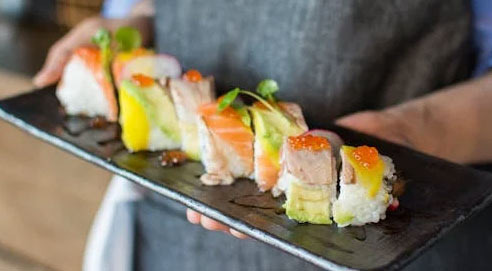
In particular, the emergence of the California roll made sushi more accessible to Americans by incorporating familiar ingredients, leading to the creation of various modified rolls that have shaped today's global food trends.
The History and Popularity Factors of Sushi Rolls in America
Maki sushi (rice and ingredients rolled in seaweed) is a Japanese tradition, but the California roll is a fusion dish born on American soil. In the 1960s, this roll, made with avocado and imitation crab to suit Western tastes, quickly spread across the United States. The reasons for the immense popularity of sushi rolls in America include the use of familiar ingredients that enhance accessibility, a wide variety of flavors and combinations, a healthy image, and visually appealing presentations.
Popular Sushi Rolls in America
-
California Roll: A symbol of fusion sushi made with imitation crab, avocado, and cucumber.
-
Spicy Tuna Roll: Emphasizes a spicy flavor with tuna and spicy mayonnaise sauce.
-
Dragon Roll: Features eel and avocado, boasting a visually stunning appearance resembling dragon scales.
-
Philadelphia Roll: Offers a smooth and rich flavor with smoked salmon and cream cheese.
-
Teriyaki Chicken Roll: A sweet and savory option for meat lovers.
-
Vegetarian Roll: Focuses on health with vegetables like avocado, carrots, and cucumbers.
Regional Hotspots for Sushi Rolls
-
California: As the birthplace of the roll, it offers a variety of fusion rolls, with Los Angeles and San Francisco as cultural hubs for roll cuisine.
-
New York: The diversity of rolls is prominent, ranging from Michelin-starred restaurants to casual dining.
-
Hawaii: Thanks to its geographical proximity to Japan, traditional and fusion rolls coexist.
-
Chicago and Boston: Creative fusion rolls and upscale sushi restaurants are thriving.
Current and Future Trends in Sushi Rolls
-
Spread of Fusion Rolls: Creative rolls combining ingredients from various cultures, such as Mexican, Thai, and Italian, continue to emerge.
-
Health-Oriented Rolls: With a growing consumer base focused on health, options like quinoa rolls, gluten-free rolls, and vegan rolls are increasing.
-
Emphasis on Sustainability: Rolls made with eco-friendly seafood and organic vegetables are receiving positive responses from consumers.
-
Integration of Technology: The incorporation of automated rolling machines and AI-based menu recommendations is enhancing both efficiency and quality.
In summary, sushi rolls have roots in traditional Japanese cuisine but have been reborn in America, gaining global popularity. Moving forward, the roll culture is expected to evolve further with a focus on health, sustainability, creative fusion, and technological advancements.




 Yellow Snowman |
 Moscow Kim |
 Seattle - Emerald City |
 self-evaluation |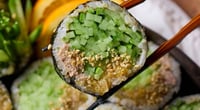
 Sandiego Auntie |
 healthy |
 Static |
 Moo Tang Clan |
 Belgray Miscellany |
 newyorker 101 |
  laro90 |
  MEDBIO American Doctor Blog |
  SWAT TEAM BLK |
  DREAM BIG |
  frostbite |
  330 Forever My Love |
  El Dorado |
  dralix58 |
  Gorama Round |
  Skydiving |
  dreamport |
  Toaster Pizza Magic Show |
  velvetnom |
  Anytime Journey |
  Mrs. Duluth |
  jaxter |
  Atlanta Mama |
  Baguette Blog |
  Tan Sol |