
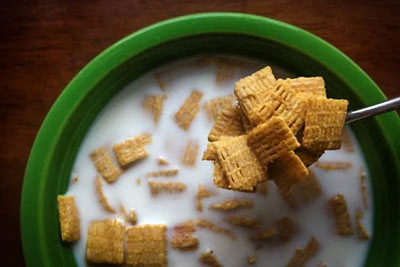
The Origins of American Cereal: How Did It Begin?
The Emergence of Early Cereals
The history of American cereal dates back to the late 19th century. In 1863, John Harvey Kellogg is considered to have developed the first cereal to provide healthy meals for patients at the Battle Creek Sanitarium. While searching for foods that were good for digestion and nutritious, he created a cereal made from simply processed grains.
Kellogg and the Popularization of Cereal
John Harvey Kellogg's brother, Wilbur Kellogg, partnered with him to establish the Kellogg Brothers, leading the commercialization of cereal. In 1906, they successfully introduced Corn Flakes to the public, marking the beginning of the modern cereal industry, which became popular as a convenient and nutritious breakfast option.
Growth and Diversification of the Cereal Industry
Early 20th Century: The Rise of Diverse Cereals
Thanks to Kellogg's success, many companies entered the cereal market. From the early to mid-1900s, various cereals such as Granola and Brown Sugar Coco Flakes were launched. During this period, cereals were strongly associated with health food, primarily made from grains.
1950s-1960s: Character Marketing and Unique Flavors
The 1950s and 1960s were the golden age of cereal marketing. Character-based marketing, such as Milky Way and Fruity Pebbles, became popular among children. Additionally, cereals with various flavors and forms, including chocolate and fruit flavors, emerged, broadening consumer choices.
1970s-1980s: Health Trends and Low-Sugar Cereals
In the 1970s and 1980s, rising health consciousness led to the popularity of high-fiber and low-sugar cereals. Products like Oat Bricks and Morningspice received strong support from health-conscious consumers. At the same time, the cereal industry continued to grow and expand its market.
The Modern Cereal Market: Diversity and Innovation
The Rise of Health-Oriented Cereals
In modern times, consumers have become more health-conscious. Consequently, organic cereals, gluten-free cereals, and protein-enriched cereals have been introduced, further diversifying the market. Additionally, products with reduced sugar content are also gaining popularity.
The Harmony of Convenience and Taste
While instant cereals remain popular among busy modern individuals, more delicious and diverse options are being offered. Mixed nut cereals and fruit blend cereals satisfy both taste and nutrition, expanding consumer choices.
Eco-Friendly Packaging and Sustainable Production
With growing environmental awareness, cereal manufacturers are adopting eco-friendly packaging and pursuing sustainable production methods. This has garnered positive responses from consumers and contributed to enhancing brand image.
Cereal's Cultural Impact and Future Outlook
Cereal and Pop Culture
Cereal has become a part of pop culture beyond just a food item. Through TV commercials, appearances in movies, and character collaborations, cereal plays a role as a cultural icon.
The Future of Cereal: Technology and Innovation
The future cereal market is expected to change further through technology and innovation. The emergence of personalized cereals and the introduction of smart packaging technology will provide consumers with new experiences. Additionally, the use of artificial intelligence (AI) for consumer preference analysis may lead to the release of more personalized products.
The Journey of American Cereal and Future Prospects
The history of American cereal has evolved from a health food to a part of pop culture. Starting from simple grain-based processed foods, cereal has developed into a variety of flavors and forms, focusing on health-oriented products, and will continue to enrich our breakfast tables through ongoing innovation and change.
Next time you eat cereal, why not think about the hidden history and development behind it? If you found this post helpful, please like and subscribe! If you have any topics you want to know more about, leave a comment. Thank you!





 Weekend Movie Blog |
 Beauty, Health, Lifestyle Blog |
 coloradoman |
 Superman Cat Blog |
 novapixel |
  Tonky |
  viroma |
  cookie |
  Live and that's it |
  Alright Twain |
  eatontown blog |
  HAWAII Korean Church News |
  Amore |
  linex |
  Balancework |
  laro90 |
  MEDBIO American Doctor Blog |
  SWAT TEAM BLK |
  DREAM BIG |
  frostbite |
  330 Forever My Love |
  El Dorado |
  dralix58 |
  Gorama Round |
  Skydiving |