

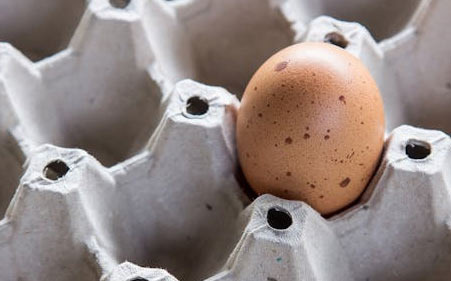
There are claims that they are a "complete food," while on the other hand, there are warnings about being cautious due to cholesterol.
In reality, both statements are not entirely wrong, and the evaluation of eggs depends on how they are consumed.
First, looking at the positives, eggs are a food with very high protein efficiency. They not only have a high quantity but also possess a 'complete protein' structure that is highly usable by our bodies.
This makes them particularly beneficial for those who need to maintain or recover muscle, and they are easy to consume without burden, especially as protein absorption efficiency decreases with age. Therefore, they are widely used as a basic protein source not only for athletes but also in general diets.
In terms of nutritional composition, they contain essential vitamins such as A, B12, D, and E, as well as minerals like selenium, iron, and zinc. Notably, vitamin D is not easy to obtain from food, making eggs a relatively stable source.
Additionally, they contain a nutrient called choline, which is known to be related to brain function, memory, and liver health. This is why it is often emphasized as important for pregnant women.
There are also benefits for eye health. Egg yolks contain antioxidants like lutein and zeaxanthin, which can help reduce the risk of aging and macular degeneration in the eyes. Therefore, it is more accurate to view eggs not just as a protein food but as a "balanced food" that includes micronutrients.
So why is there controversy? It is primarily due to cholesterol.
It is true that egg yolks contain cholesterol. In the past, this led to strong restrictions on egg consumption. However, recent research indicates that the impact of dietary cholesterol on blood cholesterol varies greatly among individuals and is more limited than previously thought.
In other words, for healthy individuals, it is difficult to definitively state that eggs directly increase the risk of cardiovascular disease. However, for those who already have high cholesterol levels or are at risk for cardiovascular disease, it is necessary to regulate their intake.
There are certainly points to be cautious about. Egg allergies are relatively common, especially in young children. Additionally, undercooked or raw eggs pose a risk of salmonella infection, so the cooking method is important.
Ultimately, what matters is "how you eat them." The cooking method has a surprisingly large impact on how healthily you can consume eggs. Boiled eggs or scrambled eggs, which use little oil, are the most straightforward options. Conversely, frying them with a lot of butter or oil can increase calorie and fat intake due to the cooking method rather than the eggs themselves.
Another important factor is the overall balance of the diet. It is much better to consume eggs not in isolation but alongside vegetables, fruits, and whole grains. For example, pairing eggs with salad or vegetables can enhance both satiety and nutritional balance. This is a much more stable approach than a diet that only focuses on protein.
The amount consumed can vary based on individual circumstances, but generally, it is often considered reasonable for healthy adults to include about 1-2 eggs per day without issue. Those with higher activity levels or protein needs may increase this slightly, but the key is to maintain a consistent intake without overdoing it.
In summary, eggs cannot simply be categorized as "good or bad"; they are closer to being a highly efficient nutritional food. When cooked properly and consumed in appropriate amounts within a balanced diet, they can be a versatile ingredient without concern.







 Baguette Blog |
 Khan Film Blog Production |
 dermoon |
 hoosierdaddy |
 sun walker |
 Weekend Movie Blog |
 Beauty, Health, Lifestyle Blog |
 coloradoman |
 Superman Cat Blog |
 novapixel |
  DREAM BIG |
  frostbite |
  330 Forever My Love |
  El Dorado |
  dralix58 |
  Gorama Round |
  Skydiving |
  dreamport |
  Yellow Snowman |
  Toaster Pizza Magic Show |
  velvetnom |
  Anytime Journey |
  Mrs. Duluth |
  jaxter |
  Atlanta Mama |
  Tan Sol |
  US Embassy |
  Korean Mom |
  My NYC |