
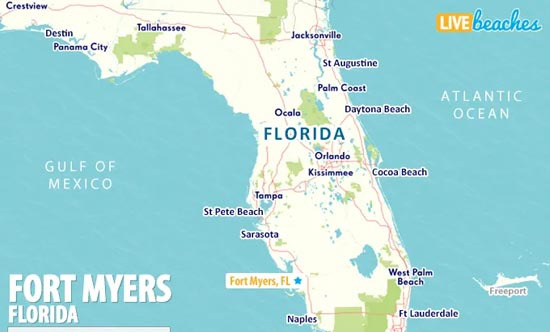
Fort Myers in southwest Florida is one of the cities most directly threatened by hurricanes.
Due to its geographical proximity to the Gulf of Mexico, storm surges and strong winds frequently cause damage, and the city's history bears the marks of numerous hurricanes, both large and small. Among them, Hurricane Ian in 2022 was a deeply wounding event for the residents of Fort Myers.
At the end of September 2022, Category 4 Hurricane Ian struck the Fort Myers coast as it passed through the Gulf of Mexico. The central wind speed reached 240 km/h, and storm surges of up to 2.2 meters inundated Fort Myers Beach and Estero Island. Homes and businesses near the river were quickly submerged, and seawater covered the roads, forcing thousands of residents to evacuate. In particular, homes located on the waterfront suffered near-total destruction, and old wooden structures left no trace.
Since Ian, the economic damage to Fort Myers has been immense. The power grid and water facilities in the downtown area were completely paralyzed, and most marinas and docks along the coast were destroyed. The local tourism industry was paralyzed for a time, and hotels and restaurants suffered greatly from both physical damage and a sharp decline in tourists. The cost of recovery is estimated to be in the billions of dollars, and reconstruction is expected to take several years.
After that, southwest Florida could not escape the impact of successive hurricanes. In 2024, Helene and Milton approached in succession, causing significant damage in the North Fort Myers area. In particular, mobile home parks were vulnerable to strong winds and suffered concentrated damage, with some areas experiencing tornadoes that completely destroyed roofs and structures. Affected residents reported, "The winds felt stronger than during Ian," as they live in the fear of recurring hurricanes every year.
The hurricane damage in Fort Myers is characterized not only by strong winds but also by a combination of multiple factors. First, storm surges and rising sea levels cause flooding not only along the coast but also in riverside homes. Low-lying areas formed along the Caloosahatchee River are particularly vulnerable, often suffering double damage when heavy rains cause water to become trapped. Additionally, the outer bands of hurricanes can spawn tornadoes, causing severe damage to mobile homes and commercial buildings.
The recovery process has been long and arduous. The Federal Emergency Management Agency (FEMA) and local governments immediately began recovery support, with military and civilian personnel deployed for power restoration and housing reconstruction. However, many practical issues remain. There have been increasing cases of delayed or denied insurance payouts, and the rising cost of construction materials has caused recovery costs to increase two to three times more than expected.
Nevertheless, Fort Myers is rising again. Local communities and volunteer organizations have come together to repair the devastated homes, clean the streets, and restore the beaches. Residents have taken up the slogan 'Rebuild Fort Myers' and continue recovery efforts, helping each other. This sense of community has been the strength that made the city's recovery possible.
Currently, improvements to the city's infrastructure in preparation for hurricanes are underway in Fort Myers. New buildings are being designed with wind-resistant features and enhanced waterproof systems, and eco-friendly coastal restoration is being promoted to create buffer green spaces and breakwaters. The city authorities are also focusing on disaster response training and improving evacuation routes, while residents have established a culture of always being prepared with hurricane supplies.

 Way to easy |
 Rainbow Bridge to the Sky |

 FLORIDA Acus |
 Joyce 77 |
  DREAM BIG |
  frostbite |
  330 Forever My Love |
  El Dorado |
  dralix58 |
  Gorama Round |
  Skydiving |
  dreamport |
  Yellow Snowman |
  Toaster Pizza Magic Show |
  velvetnom |
  Anytime Journey |
  Mrs. Duluth |
  jaxter |
  Atlanta Mama |
  Baguette Blog |
  Tan Sol |
  US Embassy |
  Korean Mom |
  My NYC |