

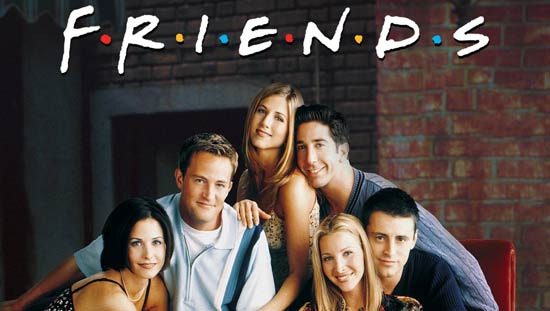
Friends, which aired on NBC from 1994 to 2004, is considered a quintessential success story of American sitcoms.
Even years after it ended, I find myself unable to stop watching whenever I turn on the TV. It's the kind of show that makes you sit down on the couch for just one more episode while doing household chores or folding laundry.
The New York vibe from that era is great, but I believe there's a reason it continues to be loved worldwide even today.
First, the character combinations are truly remarkable. All six characters are vibrant and memorable. There's Monica, who is a perfectionist; Phoebe, who is quirky and has her own world; and Rachel, who seems immature but is impossible to dislike. Among these characters, there's likely someone who resembles your personality or a friend you know. None of them stands out as the main character; they all shine equally, and that chemistry makes viewers feel like they are part of the group.
Second, the story revolves around friends becoming family. The underlying sentiment of Friends is ultimately about "the family you choose." It conveys the message that family can be formed through shared meals, confiding in each other, and supporting one another through tough times, even if there are no blood ties. This is perfectly encapsulated in the slogan, The Family You Choose.
In the hustle and bustle of NYC, during times of job struggles, failed relationships, or worries about rent, the warmth of gathering in a small apartment or café to support each other is truly heartwarming. While it may sound cliché when explained, Friends humorously yet accurately touches on that loneliness, making it relatable for both single and married viewers.
Third, the sitcom is incredibly well-crafted. The dialogue is sharp and concise. Chandler's sarcastic jokes and Joey's simple charm provide laughter without any burden. With just 20 minutes per episode, there's no need to overthink, and finishing an episode leaves you feeling a bit better. Plus, Rachel's hairstyles and fashion still look stylish today. In fact, they have a retro vibe that attracts younger viewers as if they are discovering a new show.
When you look at it this way, Friends isn't a show that succeeded because of a unique premise. It's simply about people, friendships, and everyday life, and it was executed exceptionally well. That's why, no matter how much time passes, seeing those six characters on screen brings a sense of comfort.
What remains astonishing is the production team's sensibility. It's hard to believe this show is 30 years old, given its fast-paced rhythm and lively jokes. The hairstyles and fashion serve as a time capsule, not only setting trends at the time but also featuring elements that have made a comeback, giving it a forward-thinking feel. The styles of the three main female characters still hold up today.
At the center of it all is Rachel Green. Portrayed by Jennifer Aniston, this character was more than just a blonde with a smile. She was assertive in her career and honest in her relationships, even if she was a bit clumsy. This is why she has been loved by American audiences for so long, and ultimately, Jennifer Aniston earned the nickname American Sweetheart.
The reason Friends resonated globally, beyond just America, is clear. The show minimized insider jokes that would be difficult for non-Americans to understand. Instead, it focused on universal themes like love, friendship, work, and rent—situations everyone experiences. At the same time, the atmosphere of New York and the trends of the time were seamlessly woven in. As a result, many people learning English have said they picked up American conversational skills by watching Friends.
Seinfeld is often mentioned as a comparison to Friends. While Seinfeld was also a massive success and is considered a hallmark of American humor, its context-dependence meant it didn't have the same explosive appeal overseas as Friends did. Will & Grace was also popular enough to run for many seasons, but it required background knowledge of Broadway and American subculture to catch its humor.
Connecting the peak of Friends to the atmosphere of 90s America is also an interesting perspective. During the long economic boom of the Bill Clinton administration, individualism and a free approach to relationships naturally seeped into the story. Cohabitation felt more natural than marriage, and even with children, relationship dynamics were flexible. Some interpretations suggest that the changing social climate marked the end of its peak, while others argue that it was precisely because it provided comfort during uncertain times that it continued to be loved for so long.
Regardless of the perspective, one fact is clear. Friends has the power to make even new viewers laugh, transcending the memories of a specific generation.
However, I felt truly saddened when I first heard the news of Matthew Perry's passing, who played Chandler Bing. The character was known for his clever American-style jokes and for navigating awkward moments with humor. His expression, which wrapped difficult stories in laughter, is still vivid in my mind, and it's heartbreaking to know we can no longer see him.
Still, the six friends who sat on the café sofa in New York continue to live on through endless reruns on TV. Perhaps that's why, every time I hit the replay button, I come to understand why this show became a legend.







 Gorama Round |
 LIZ Legal Information Blog |
 Egg Steamed Pot |
 novapixel |
 xylora |
 U.S. Supreme Court Judge Kim |
 Learn English Accurately |
 Magic Cabbage School of Martial Arts |
 Peach Jam Eating Laughter |
  DREAM BIG |
  frostbite |
  330 Forever My Love |
  El Dorado |
  dralix58 |
  Skydiving |
  dreamport |
  Yellow Snowman |
  Toaster Pizza Magic Show |
  velvetnom |
  Anytime Journey |
  Mrs. Duluth |
  jaxter |
  Atlanta Mama |
  Baguette Blog |
  Tan Sol |
  US Embassy |
  Korean Mom |
  My NYC |