

Today, April 1, 2026, is April Fool's Day. It seems like the trend of April Fool's jokes has passed, but this is no joke starting today.
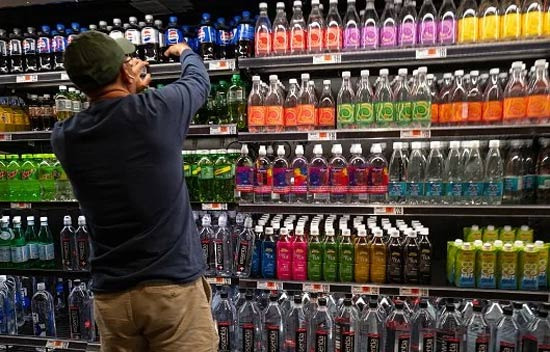
As of today, SNAP recipients in Texas, that is, food stamp beneficiaries, cannot buy candy or sugary drinks with their Lone Star card.
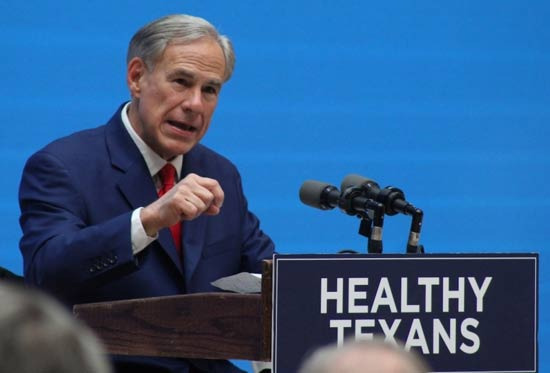
The system completely blocks these purchases. Governor Greg Abbott pushed for this, Texas Health and Human Services is enforcing it, and the USDA Food and Nutrition Service approved the federal waiver. It is said to be the first time in U.S. history.
Having lived in Texas, this is the first time I've seen such a policy emerge, and it seems a bit complicated to simply label it as good or bad.
Looking at the items that cannot be purchased with SNAP starting today, they include candy, gum, drinks with more than 5g of sugar, and drinks with artificial sweeteners.
The problem is that chocolate-covered nuts, yogurt-covered dried fruits, and caramel popcorn are also included. "Things that were eaten as snacks" are all out.
From the perspective of the Korean community, can we still buy canned Sikhye? No. Sujeonggwa? No. Coffee mix drinks? No. Choco Pie, Pepero, Yanggaeng? Of course not.
Honey butter almonds? If they have coating, that's the end of it. This is the beginning of the situation where you hear at the checkout in the Korean market, "This cannot be purchased."
I am conservative. I believe in small government, personal responsibility, and market principles.
So, I feel like I should support this policy, but it's not that simple.
Data shows that low-income individuals have high sugar intake, which leads to diabetes and cardiovascular diseases.
Since this is a program supported by taxes, the logic of "let's use it for healthy consumption" is not strange.
If there are actual healthcare cost savings, it could be a good policy. After all, schools in the U.S. are also not allowing drinks like cola these days.
But there is a counterargument. Wealthy individuals can still buy whatever they want without restrictions, haha.
Only SNAP recipients hear, "You can't eat that." This is an equity issue.
One of the things conservatives dislike is "government interference in personal lives," but if that principle is only applied to low-income individuals... isn't that a problem?
And then there's the administrative cost. Updating POS systems, training staff, monitoring systems. None of this is free.
If obesity rates do not actually decrease? Then it would just mean spending money and increasing inconvenience.
In any case, if you are a SNAP recipient, you should check the list of items you frequently purchase right now.
Those running Korean markets should check for POS updates and train their staff. If they do not comply, they will lose their eligibility to handle SNAP.
The guidance materials are currently focused on English and Spanish. For those who are uncomfortable with English, calling 2-1-1 to request interpretation is a practical method.
While I can't say the accessibility is great, for now, that's the official channel.
The intent of this policy is not bad. I understand the goal of promoting healthy eating habits and reducing healthcare costs in the long run.
But the method of blocking payments is depriving people of choice. It's neither education nor incentives; it's just coercion.
According to conservative principles, government intervention should be minimized. If that principle only applies to the wealthy and is an exception for low-income individuals, then that's not conservatism; it's just class-based opportunism. I do not support that.
Time will judge the results. If in 2 or 3 years, obesity rates in Texas decrease and healthcare costs drop, then this policy was correct.
If it just increased inconvenience? Then let's talk again.
Starting today, I expect to hear a lot of "Why can't I buy this?" at Texas market checkouts.






 Encyclopedia of New York and Surrounding Areas |
 washington mom |
 California Dreamer |
 Sugar Cream Door Bulletproof Noodles |
 Investment Campus Home Ownership |
 Giant Squid and Sweet Potato Soup |
 Aura-Infused WACAM |
 Heart Ticker |
 Best Frozen Yogurt |
 Gupabal MissKorea |
  Healthy Local Fresh Information |
  molten |
  Way to easy |
  intact |
  Always Dreaming of Big Success |
  happy 9 |
  Park M.Y. |
  tredon |
  Poppin News |
  metsoo |
  dewyo |
  Casa Mia |
  Asparagus Blog |
  dorange |
  hiddenkong |
  some fame |
  Godory Life |
  Lime Juice |
  French fries |
  Rynex |