
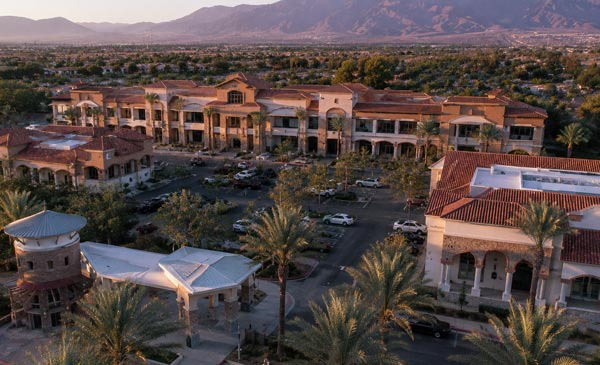
While considering a move to Rancho Cucamonga, I often asked myself, 'Is this the right place for me?'
Especially from the perspective of immigrants or families in the early stages of relocation, I wanted to honestly summarize what this city is like.
It's important to note not just the positives, as there are certainly inconveniences that come with living here.
Starting with the advantages, the school district is a definite strength.
Public high schools under the Chaffey Joint Union High School District maintain a level above the California state average, and the elementary and middle schools in Etiwanda are particularly well-rated.
If you are coming from Korea and prioritize your children's education, the combination of school districts in this area is quite competitive for the price.
The second advantage is safety. The perceived safety level is distinctly different compared to nearby San Bernardino or Fontana.
The third is the sense of space. Unlike the dense residential areas of LA or Orange County, the streets are wide, and homes with yards become a realistic option.
The median home price ranges from $750,000 to $900,000, making it much more reasonable than LA, and the price relative to home size is better as well.
The fourth advantage is the natural environment. Mountainous areas like Mount Baldy, Big Bear, and Cucamonga Peak are within 30 to 60 minutes, making weekend hiking or camping a part of life.
This aspect can be surprisingly significant for those who frequently hiked in Korea.
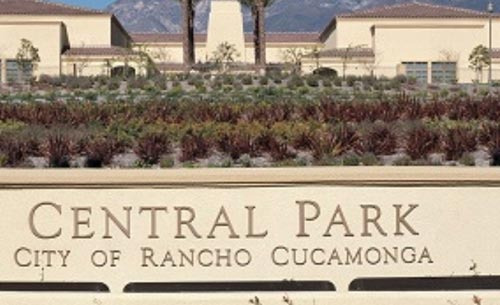
The fifth advantage is the accessibility of Korean infrastructure in the Ontario and Upland areas.
H Mart, 99 Ranch Market, Korean schools, and churches are all within 10 to 20 minutes, so there are no major inconveniences for Korean ingredients or community gatherings.
On the other hand, there are clear disadvantages. The biggest one is public transportation.
While there are OMNITRANS buses and Metrolink trains, living in this city without a car is nearly impossible in real life. If you are in the early stages of immigration and do not have a driver's license or a car, it can be very inconvenient.
The second disadvantage is that the Korean community is not concentrated here. Unlike LA's Koreatown or areas like Fullerton and Irvine, where Korean businesses are established in every alley, it may feel somewhat lonely for those who need a Korean-speaking environment in the early stages of immigration.
The third is the summer heat. From July to September, there are many days when the daytime high temperature reaches 95 to 105°F, leading to significant cooling costs.
The SCE (Southern California Edison) rates increase in tiers, so it's common for summer electricity bills for a household of 3 to 4 to exceed $200 to $400.
The fourth disadvantage is the lack of urban cultural activities. Unlike LA or Orange County, where various performances and cultural events are held regularly, this environment does not offer the same.
Victoria Gardens covers shopping and light cultural events, but it may feel insufficient for those seeking a dense urban culture.
In conclusion, Rancho Cucamonga is a city suited for immigrant families who prioritize children's education and safety, and prefer a quiet and spacious living environment over a concentrated Korean town.
Conversely, it may not be suitable for those who need to be in a Korean community or enjoy urban living. It is necessary to honestly compare these two aspects before making a choice.
 StarlitCloud
 ChocoWaves
 MackerelFly


 TEXAS Fishing Boat |
 Study Abroad Life Know-How Tips |
 pravix22 |
 American Hardcore Band |
 Rice Shop Uncle BLOG |
 Experiences Living in America |

 Lifestyle Information Search USA |
 CA Real Estate |
 Casa Mia |
  Asparagus Blog |
  dorange |
  hiddenkong |
  some fame |
  Godory Life |
  Lime Juice |
  French fries |
  Rynex |
  Caribbean |
  Let's Be Like a Salt-like City Person |
  Belgray Miscellany |
  sweetvan |
  Augusta Univ |
  Round and Round Children's Song Kingdom |
  butter 90 |
  Lando Mao |
  Washington Denzel DJ |
  LIZ Legal Information Blog |
  vegas mom |