
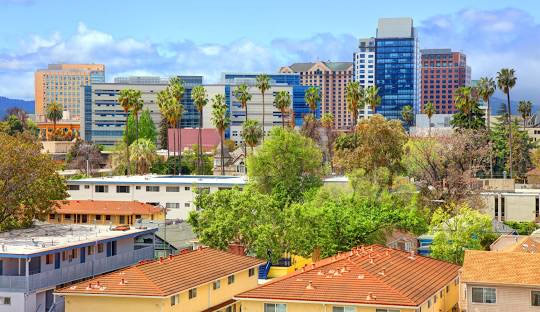
San Jose, as the heart of Silicon Valley, is rapidly growing, leading to a heated real estate market. With large corporations gathering and startups continuously emerging, job opportunities are increasing, but housing supply is not keeping pace, resulting in a sharp rise in home prices. This has led to various issues in the real estate sector, which I will summarize below.
Shortage of Listings and High Prices
San Jose is in a state of absolute housing shortage, with demand consistently exceeding supply. Even in Silicon Valley, the pace of new apartment, house, and condo construction cannot keep up with the influx of population. Consequently, competition becomes fierce whenever listings become available, leading to generally high home prices.Rising Rent and Housing Burden
Not only home prices but also monthly rents have increased significantly, causing middle-class families and newlyweds to feel a substantial burden in housing costs. From the landlord's perspective, it is easy to raise rents due to high demand, while tenants, even with decent jobs, are often troubled by the burdensome rent.Infrastructure and Traffic Congestion
The increase in population has not been matched by an expansion of infrastructure, which is also a problem. During rush hours, traffic congestion on freeways becomes severe, causing stress for those who commute long distances. Even when using public transportation (Caltrain, light rail, etc.), many residential areas are far from stations, making life inconvenient without a car.Redevelopment and Gentrification
In the city center and key areas of Silicon Valley, old residential neighborhoods are being redeveloped into upscale apartments and condos. This exacerbates the rise in surrounding home prices and rents, leading to gentrification issues where existing residents are forced to move further away. As the local economy develops, side effects occur where natives and low-income residents are pushed out.Migration Demand and Policy Limitations
Many companies are establishing or relocating their headquarters to San Jose and Silicon Valley, increasing the population seeking jobs. However, policies related to building permits and housing construction are complex, making it difficult to quickly supply new housing. Some local residents oppose the increase in high-rise buildings, and considering environmental regulations, the pace of development can only be slow.Quality of Life and Intensified Competition
High real estate prices directly impact the quality of life for workers. When rent or mortgage burdens are high, most of their income goes towards housing costs, ultimately reducing their ability to enjoy other consumption or leisure activities. Although finding a job is relatively easy due to the abundance of companies, many people are contemplating job changes or relocations due to the pressure of living expenses.Risks of Natural Disasters such as Earthquakes
California is located in an earthquake zone, making seismic design crucial. Among older buildings, some may lack safety standards, raising concerns about safety even for homes purchased at high prices. Additionally, remodeling or reinforcing buildings can incur significant costs, making it difficult for homeowners to make decisions.
In summary, the San Jose real estate market is rapidly growing based on positive factors such as job and population growth, but it faces complex issues such as a shortage of listings, high housing costs, infrastructure limitations, and gentrification. For San Jose and Silicon Valley to continue developing, it seems necessary to expand housing supply, enhance transportation infrastructure, and implement various housing policies together. In particular, a balanced development direction that allows both existing residents and new migrants to maintain their quality of life is urgently needed.





 Living Economy Information Blog |
 Shining Our Own World |
 California Kangaroo |
 DREAM BIG |
  frostbite |
  330 Forever My Love |
  El Dorado |
  dralix58 |
  Gorama Round |
  Skydiving |
  dreamport |
  Yellow Snowman |
  Toaster Pizza Magic Show |
  velvetnom |
  Anytime Journey |
  Mrs. Duluth |
  jaxter |
  Atlanta Mama |
  Baguette Blog |
  Tan Sol |
  US Embassy |
  Korean Mom |
  My NYC |