
Precipitation
Salt Lake City is characterized by an overall dry climate, with annual precipitation averaging around 380mm to 400mm. Due to its desert climate, precipitation is low, and most rain occurs during the summer months.
Monthly Precipitation (Average)
- January: 35mm
- February: 30mm
- March: 35mm
- April: 30mm
- May: 40mm
- June: 20mm
- July: 40mm (high precipitation due to summer showers and storms)
- August: 40mm
- September: 30mm
- October: 25mm
- November: 35mm
- December: 40mm
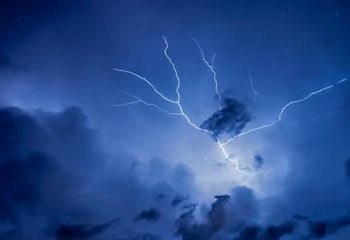
During the summer months of July and August, showers and thunderstorms frequently occur, leading to a slight increase in precipitation. This period often experiences storms accompanied by lightning due to atmospheric instability. However, overall precipitation remains consistently low throughout the year.
Snowfall
Salt Lake City is known for heavy snowfall in winter, with an average annual snowfall of about 120cm to 140cm.
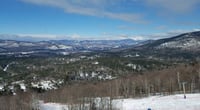
This area experiences significant snowfall, especially from December to February, and winter snowfall is even higher in areas close to the mountains.
Monthly Snowfall (Average)
- January: 30cm
- February: 25cm
- March: 20cm
- April: 10cm
- May: 5cm
- June: 0cm
- July: 0cm
- August: 0cm
- September: 0cm
- October: 2cm
- November: 10cm
- December: 25cm
The snowfall season lasts from November to April, with the most snow falling in January and February. This area is famous for its winter ski resorts, and the heavy snowfall allows for active winter sports activities.
3. Conclusion
- Annual Precipitation: approximately 380mm - 400mm
- Annual Snowfall: approximately 120cm - 140cm
- Summer: precipitation is concentrated, with frequent storms and showers.
- Winter: high snowfall, especially in mountainous areas.
Salt Lake City is characterized by dry winters and low precipitation in summer, with winter skiing and summer showers being the main climatic elements.




 Enjoyable American Life Diary |

 morvex37 |
 Utah, the Most Livable State |

 DREAM BIG |
  frostbite |
  330 Forever My Love |
  El Dorado |
  dralix58 |
  Gorama Round |
  Skydiving |
  dreamport |
  Yellow Snowman |
  Toaster Pizza Magic Show |
  velvetnom |
  Anytime Journey |
  Mrs. Duluth |
  jaxter |
  Atlanta Mama |
  Baguette Blog |
  Tan Sol |
  US Embassy |
  Korean Mom |
  My NYC |