
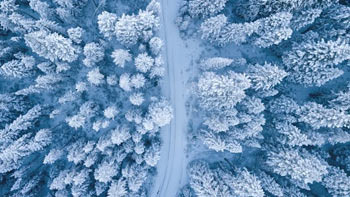
Vermont generally has a temperate continental climate.
This is characterized by cold winters and mild summers, with some regional variations in climate. In particular, mountainous areas like the Green Mountains can have alpine climates, where the weather is very extreme and unpredictable. When analyzing the climate of this region, it is important to understand winter snowfall, summer precipitation, and the influence of air masses.
Characteristics of the Four Seasons
Spring (March to May):
- Temperature: March has low temperatures, and cold weather continues. The average temperature ranges from -3°C to 10°C, with increased precipitation, and ice and snow begin to melt. From April, days with spring-like weather increase, temperatures gradually rise, and the average temperature ranges from 5°C to 15°C. In May, mild weather continues, and precipitation increases, leading to frequent spring rains.
- Characteristics: Precipitation increases in spring, and snow may still fall in mountainous areas. However, daytime temperatures rise, causing ice to melt, and there is a large temperature difference between day and night. This period is often suitable for agricultural activities, walks, and outdoor activities.
Summer (June to August):
- Temperature: In summer, temperatures rise, but it is generally mild and humid. The average temperatures in June and July range from 20°C to 25°C, and in August, temperatures can exceed 30°C. During summer, heatwaves can occur, but at night, temperatures drop sharply, resulting in a significant temperature difference between day and night.
- Characteristics: Summer precipitation is relatively high, with frequent rain, especially concentrated in July and August. During this time, storms and showers can occur frequently due to atmospheric instability.
Autumn (September to November):
- Temperature: Autumn weather is cool, with average temperatures ranging from 10°C to 20°C. September and October still have mild temperatures, but by November, temperatures drop sharply. Autumn is particularly known for its beautiful foliage, making it a popular season for tourists.
- Characteristics: Autumn often has clear and dry days, with less precipitation than summer. However, strong northwesterly winds can occur, causing rapid temperature drops. Due to temperature differences, crops can be sensitive to climate changes during the harvest season.
Winter (December to February):
- Temperature: Winter is the coldest season in Vermont, with temperatures dropping between -10°C and -2°C. January and February are the coldest months, with temperatures sometimes falling below -15°C. Heavy snowfall occurs, and strong cold waves accompany northwesterly winds.
- Characteristics: Snowfall is very high in winter, and Vermont is one of the areas in the U.S. with the most snowfall. On average, annual snowfall exceeds 230 cm, making winter sports like skiing very popular. During winter, blizzards and extreme cold persist, and icy roads can lead to traffic accidents.
Air Mass Information
Vermont is influenced by continental and polar air masses, especially in winter when cold air masses from the polar regions have a significant impact. Air masses play an important role in the region's weather and temperature, and the type of air mass can lead to different weather changes.
2.1. Polar Air Mass
- Winter: When cold air masses from the Arctic cover Vermont, temperatures drop sharply, and blizzards and extreme cold occur. This air mass has a strong influence, especially from December to February, with temperatures potentially dropping below -20°C.
- Summer: Cold air masses can also occasionally descend in summer, increasing precipitation or causing rapid temperature changes.
2.2. Continental Air Mass
- Continental air masses are generally dry and cold, and in summer, they can lead to increased humidity and precipitation along with hot weather.
2.3. Maritime Air Mass
- Summer: Maritime air masses from the Atlantic bring high humidity, leading to significant precipitation and storms or showers. This air mass has a strong influence in summer, increasing the frequency of storms and showers.
Storm Information
Vermont is not a region where storms frequently occur, but in summer, atmospheric instability and low pressure can combine to create storms or strong winds. Additionally, in winter, snowstorms and winter storms occur frequently.
3.1. Summer Storms
- In summer, as temperatures rise, strong showers and thunderstorms can occur due to atmospheric instability. These storms form when high and low temperatures meet sharply in the atmosphere, and precipitation can be very high along with strong winds.
3.2. Blizzards
- Vermont experiences heavy snowfall in winter, and blizzards occur frequently. Blizzards are characterized by strong winds and heavy snowfall occurring simultaneously, reducing visibility to less than 0.25 miles, and strong winds can cause snow to accumulate rapidly. Blizzards can occur throughout Vermont, causing significant disruptions to transportation and making outings dangerous.
3.3. Winter Storms
- Winter storms occur with heavy snowfall and strong winds. These storms are common in Vermont and can cause very strong blizzards. After a storm passes, roads can freeze, and temperatures can drop sharply, leading to traffic accidents and significant damage.





 xelton52 |
 Joseon Dynasty Seal Enthusiasts |

 nuvex11 |

 Tonky |
  viroma |
  cookie |
  Live and that's it |
  Alright Twain |
  eatontown blog |
  HAWAII Korean Church News |
  Amore |
  linex |
  Balancework |
  laro90 |
  MEDBIO American Doctor Blog |
  SWAT TEAM BLK |
  DREAM BIG |
  frostbite |
  330 Forever My Love |
  El Dorado |
  dralix58 |
  Gorama Round |
  Skydiving |