
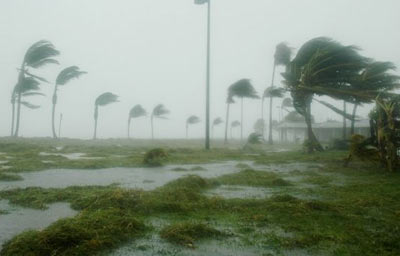
San Diego, CA is a city located on the southern coast of California, known for its beautiful beaches, mild climate, and various cultural attractions. This city experiences a maritime climate, characterized by mild and dry weather for most of the year. In this blog post, we will take a closer look at the annual average number of rainy days in San Diego, monthly average rainfall, highest recorded rainfall, snowfall information, and climate characteristics.
Annual Average Number of Rainy Days
San Diego receives an average of about 40 days of rain per year. This is relatively low compared to other coastal cities in California, with most of the rain concentrated in the winter and early spring. There is almost no rain during the summer, but sudden downpours can occur during El Niño events or monsoon season.
Monthly Average Rainfall
The monthly average rainfall in San Diego varies greatly depending on the season and ocean influences. The average rainfall for each month is as follows:
San Diego
- January: about 2.5 inches (about 64mm)
- February: about 2.5 inches (about 64mm)
- March: about 1.8 inches (about 46mm)
- April: about 0.8 inches (about 20mm)
- May: about 0.4 inches (about 10mm)
- June: about 0.1 inches (about 3mm)
- July: about 0.0 inches (about 0mm)
- August: about 0.0 inches (about 0mm)
- September: about 0.2 inches (about 5mm)
- October: about 0.6 inches (about 15mm)
- November: about 1.5 inches (about 38mm)
- December: about 2.1 inches (about 53mm)
Main Features:
- Winter (December to February): This is the period with the most rain, and frequent thunderstorms can occur due to monsoon influences.
- Spring (March to May): Rain gradually decreases in spring, leading to dry weather. However, strong thunderstorms can occur in March due to monsoon influences.
- Summer (June to August): This is a very dry period, with extremely low average rainfall. However, occasional rain can occur due to El Niño or the Santa Barbara effect.
- Autumn (September to November): Rain increases again, especially in October and November. Rainfall may increase somewhat due to monsoon influences.
Highest Recorded Rainfall
Highest Recorded Rainfall: The highest recorded rainfall in San Diego occurred during a storm in January 1998, with 7.3 inches (about 185mm) of rain. This rainfall caused severe flooding and inundation in the area due to the combination of heavy rain and El Niño conditions.
Main Impacts:
- Flooding and Inundation: Heavy rain in a short period can lead to flooding of roads and homes, causing traffic disruptions and residential damage.
- Infrastructure Damage: The drainage system and road infrastructure can suffer significant damage, leading to long recovery times.
- Casualties: Rain-related accidents can result in casualties.
- Traffic Disruptions: Heavy rain can cause flight delays and cancellations, as well as road closures, leading to severe traffic disruptions.
Snowfall Information
Due to its maritime climate, San Diego rarely experiences snowfall, so there is no need to worry about driving in snowy conditions.
Climate Characteristics
San Diego is characterized by a maritime climate, featuring mild and humid weather throughout the year. Here are the climate characteristics of San Diego:
- Maritime Climate: San Diego has a maritime climate, maintaining mild temperatures and humid weather year-round. Particularly in winter, the weather remains relatively mild rather than experiencing extreme cold.
- Fog: Fog frequently occurs in summer, lowering temperatures and increasing humidity, which shapes the city's unique weather patterns.
- Frequent Rain: While there is significant rainfall in winter and early spring, the summer months generally remain dry.
- Temperature Variation: There is little temperature variation throughout the year, and even in summer, cool temperatures are maintained at night. Winter also records relatively warm temperatures.





 U.S. Supreme Court Judge Kim |

 Egg Steamed Pot |
 Learn English Accurately |
 Magic Cabbage School of Martial Arts |
 Peach Jam Eating Laughter |
  US Embassy |
  Korean Mom |
  My NYC |
  moo moo |
  Mr Oh |
  forevergee |
  festival |
  manchester |
  constant |
  Leapfrog Move |
  vibranto |
  Tora Tora |
  yellowbutter |
  Dolly |
  NYC saladbar |
  Finding Superfoods |
  lightyear |
  song bang |
  vexomo |
  Indiana Jones |