
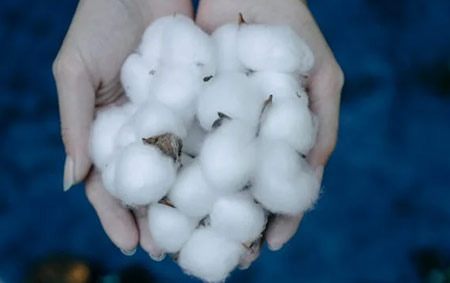
Texas is known as the heart of the cotton industry in the United States. Thanks to its vast land and suitable climate, cotton cultivation plays a significant role in Texas's economy and agriculture. Below, we introduce the history, current status, and economic impact of the Texas cotton industry.
Historical Background
- Cotton cultivation in Texas began in the early 19th century. Initially, it relied heavily on strong labor and tools, with slavery significantly contributing to the development of the cotton industry.
- Although slavery was abolished after the Civil War, Texas maintained and developed its cotton industry through various technological innovations. For example, the cotton gin technology greatly increased productivity.
Current Status of the Cotton Industry
- Texas is currently the largest cotton-producing state in the U.S., supplying about 40% of the total cotton produced in the country each year.
- The main production areas are the Texas Panhandle and Southern Plains, including regions like Lubbock and Amarillo.
- Texas's semi-arid and warm climate is ideal for cotton cultivation. In particular, the semi-arid highland areas contribute to the quality and yield of cotton.
Economic Impact
- Cotton plays an important role in the Texas economy, creating thousands of jobs. It supports various industries, from cultivation and processing to transportation and trade.
- Value-added products related to cotton (e.g., fabrics, cottonseed oil) contribute to the diversification of Texas's economy.
- Texas cotton is primarily exported to countries such as China, Bangladesh, and Vietnam, holding a significant position in the global textile and apparel industry.
Technological Innovation and Sustainability
- Modern Texas cotton farms utilize mechanization and data-driven technologies to optimize productivity.
- Using drones, sensor technology, and satellite data, they monitor crop conditions in real-time, ensuring efficient water use and fertilizer application.
- Additionally, efforts for sustainable agriculture have led to the introduction of soil conservation and water-saving technologies.
Challenges and Future
- Climate change and drought are major factors threatening the sustainable development of the Texas cotton industry.
- Nevertheless, technological innovation and agricultural research help the Texas cotton industry adapt to changing environments and maintain competitiveness.
Texas cotton symbolizes more than just a crop; it represents economic, historical, and cultural heritage, establishing itself as a core element of American agriculture.








 xylora |
 Aura-Infused WACAM |
 wendra |

 Texas Lone Star Longhorn Spirit |
  Korean Mom |
  My NYC |
  moo moo |
  Mr Oh |
  forevergee |
  festival |
  manchester |
  constant |
  Leapfrog Move |
  vibranto |
  Tora Tora |
  yellowbutter |
  Dolly |
  US Embassy |
  NYC saladbar |
  Finding Superfoods |
  lightyear |
  song bang |
  vexomo |
  Indiana Jones |