

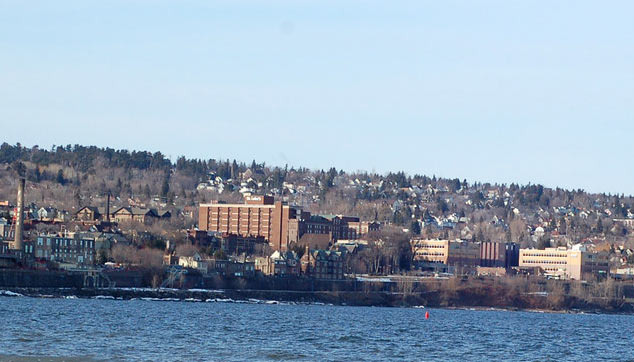
Duluth, located northeast of Atlanta, Georgia, is a community with a significant Korean population.
When considering retirement after age 65, I looked into how this area compares to others in terms of advantages and disadvantages.
First, the advantages include the tax structure.
Georgia is relatively friendly to retirees. A state income tax deduction applies to retirement income up to a certain amount. Social Security benefits are exempt from state income tax. Withdrawals from 401(k) or IRA accounts can also be deducted up to a certain limit, resulting in a relatively low tax burden. While it is not a state like Florida with no state income tax at all, the structure is not overly burdensome for retirees.
The cost of living is also an advantage.
Compared to California, New York, and Washington, housing prices are lower. Duluth is part of the Atlanta metro area, but home prices have not skyrocketed like in larger western cities. For those considering reducing their mortgage or making cash purchases after retirement, it offers relatively realistic options. There are also some property tax relief programs for seniors.
The climate is another attractive factor.
Winters are relatively mild, with little concern for snow. Unlike northern regions that experience harsh winters, heating costs are lower, and the risk of accidents on icy roads, which can be dangerous for seniors, is reduced. The four seasons are distinct, and the long spring and fall make it enjoyable for outdoor activities.
The well-established Korean community is also a plus.
Duluth and the nearby Suwanee area have a concentration of Korean markets, hospitals, churches, and restaurants. The environment allows for living without perfect English, providing psychological comfort after retirement. Access to large hospitals is also not bad.
Now, let's look at the disadvantages.
The first is the summer heat. Summers in Georgia are hot and humid. The high temperatures and humidity can be burdensome for seniors.
The second is public transportation. Unlike downtown Atlanta, Duluth has a high dependence on cars. If driving becomes burdensome after age 65, mobility can be inconvenient. It is not a city with dense public transportation like New York or Chicago.
The third is the risk of natural disasters. While it is not an area directly hit by hurricanes, there is a possibility of strong storms.
The fourth is healthcare costs. Georgia is not a state with very low healthcare costs. Medicare is common nationwide, but costs for supplemental plans and choices of hospital networks can vary. Major healthcare infrastructure is concentrated in Atlanta, which may require dealing with traffic congestion.
In summary, Duluth has relatively reasonable tax burdens, lower living costs and housing prices compared to larger western cities, and a strong Korean community, making it an attractive retirement destination.
On the other hand, the hot summers, dependence on cars, and traffic congestion are factors to consider. The perceived advantages and disadvantages may vary depending on the size of retirement funds, health status, and ability to drive. Retirement is ultimately a personal lifestyle choice.
 USAToday







 vibranto |
 sparkling |
 oh my salami |
 saffronroute |
 You Only Live Once |
 Lululala |
 BOL SA RAM |
 Gook Rule |
 Dragon Lee |
 Blondee |
  Tonky |
  viroma |
  cookie |
  Live and that's it |
  Alright Twain |
  eatontown blog |
  HAWAII Korean Church News |
  Amore |
  linex |
  Balancework |
  laro90 |
  MEDBIO American Doctor Blog |
  SWAT TEAM BLK |
  DREAM BIG |
  frostbite |
  330 Forever My Love |
  El Dorado |
  dralix58 |
  Gorama Round |
  Skydiving |