

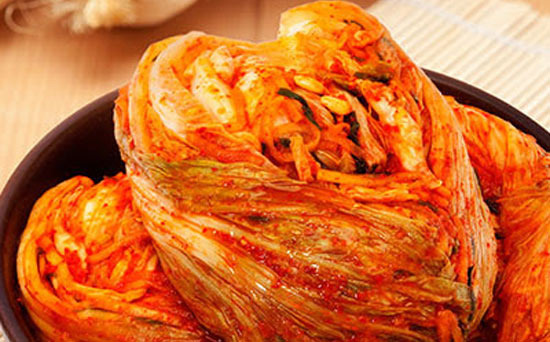
Living in America, everyone experiences this at least once.
When you crave Korean food, but there's no Korean town or Korean market in your neighborhood.
At times like that, the longing for kimchi can be so intense it brings tears to your eyes.
When I first lived in a small town in North Dakota, I thought, "I never knew it would be this hard to eat kimchi."
But don't despair! With a few tips, you can definitely survive without a Korean town.
Surprisingly, even large American supermarkets (like Safeway or Kroger in areas without Walmart or H-Mart) sometimes carry kimchi.
Thanks to the K-food craze, brands like Chongga and Wildbrine have started appearing in the refrigerated section.
Of course, it's not the same deep flavor as what you'd get in Korea, but in a pinch, it's incredibly appreciated.
Don't overlook Chinese, Vietnamese, and Thai markets either. The napa cabbage, gochugaru, and fermented seafood they sell can surprisingly be used to make kimchi.
Especially the fish sauce sold at Vietnamese markets is perfect as a substitute for salted shrimp!
I've made kimchi a few times using this combination, and it turned out quite tasty.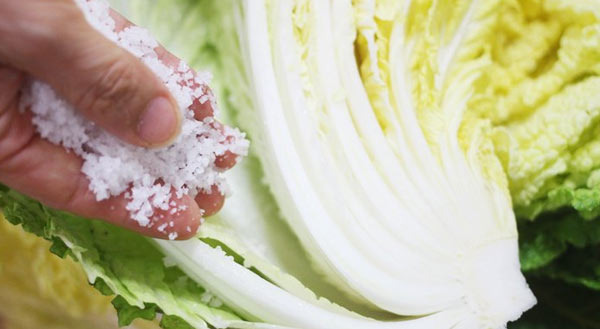
Large chains like Walmart, Kroger, and Safeway occasionally carry napa cabbage.
However, what they sell is mostly Chinese cabbage, often labeled as "Napa Cabbage."
It looks almost identical to Korean cabbage and is perfectly suitable for making kimchi.
If you utilize Amazon or Korean online markets (like Koreatown Mall or Kim'C Market), you can have your desired kimchi brand delivered right to your doorstep.
However, shipping can be surprisingly expensive, so it's economical to bundle your order with items like ramen or gochujang.
When you receive the refrigerated kimchi, dinner that night will definitely be kimchi stew.
"Oh, why would I make kimchi?" you might think, but once you try, it's surprisingly easy.
The cabbage from American markets is slightly different from Korean cabbage, so the salted cabbage taste varies, but if you season it well, it can come quite close.
If you join local church groups, KakaoTalk local chats, or Facebook groups, you'll often see posts about "kimchi group purchases."
Ordering together with fellow Korean residents can save on shipping costs and sometimes even lead to sharing side dishes.
Sharing a head of kimchi with a complete stranger can be one of the joys of immigrant life.
Just because there's no Korean town doesn't mean you have to live a kimchi-less life. It's just a bit inconvenient, but there are more options than you might think.
Perhaps this situation might even gift you a new experience of "making kimchi with your own hands."
If you're missing a dinner table that smells of kimchi tonight, try out one of the tips above right away.




 persiste |
 buddydakota |
 North Dakota Ragdoll Cat Owner |
 American National Singing Contest |
 Tonky |
  viroma |
  cookie |
  Live and that's it |
  Alright Twain |
  eatontown blog |
  HAWAII Korean Church News |
  Amore |
  linex |
  Balancework |
  laro90 |
  MEDBIO American Doctor Blog |
  SWAT TEAM BLK |
  DREAM BIG |
  frostbite |
  330 Forever My Love |
  El Dorado |
  dralix58 |
  Gorama Round |
  Skydiving |