

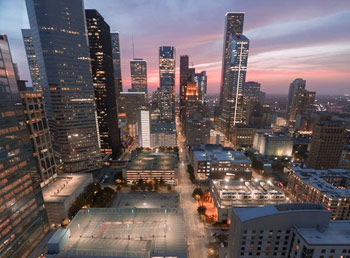
Global corporations like Chevron and ExxonMobil have their headquarters here, providing ample job opportunities in related fields, and sectors like aerospace, healthcare, and IT are also actively growing. This makes it a great environment for building a career or finding a new job.
Additionally, Houston is famous for its multiculturalism. Various ethnic groups, including Hispanic, Asian, and African American communities, coexist, with different languages heard on the streets and a blend of foods and cultures. This creates a vibrant atmosphere where you can enjoy diverse cuisines and festivals from around the world.
The city also hosts a wealth of artistic events, with places like the Houston Arts District regularly featuring exhibitions and performances, ensuring plenty of cultural activities. The education level is relatively high, with prestigious universities like the University of Houston and Rice University, and public schools are rated well depending on the area. This is a significant advantage for families prioritizing their children's education.
Houston's food culture is incredibly diverse. You can enjoy Texas-style barbecue, Vietnamese pho, Mexican cuisine, and Korean dishes.
Food trucks and restaurants from around the world are scattered throughout the city, and the annual "Houston Restaurant Week" is very popular among food enthusiasts.
Leisure activities are abundant, with various options like theaters, art galleries, and parks. On weekends, it's common to see people biking or picnicking through the Houston park system.
However, there are downsides to living in Houston. First, traffic congestion is severe. The city is sprawling and car-centric, leading to heavy traffic on highways like I-10 and I-45 during rush hours. Public transportation is insufficient, making a car almost essential.
Moreover, summers are hot and humid. The perceived temperature often exceeds 95 degrees, making air conditioning a necessity, but also leading to high electricity bills. The risk of natural disasters like hurricanes and floods is always present. When disasters like Hurricane Harvey occur, recovery can take a long time, and insurance rates often increase.
While Texas has the advantage of no state income tax, property taxes are high. As home prices rise, the tax burden increases, and the cost of living in some areas can be surprisingly high. Due to the nature of big cities, some neighborhoods have higher crime rates, so it's essential to check the safety of specific areas before relocating.
If you're considering a move to Houston, some preparations are necessary. First, thorough research on the housing market is crucial. Prices, school quality, and housing conditions vary by area, so it's advisable to compare and seek help from real estate professionals.
You should also assess job and career opportunities in advance. Networking locally can provide valuable information, and actively searching for jobs through online platforms is recommended. If you have a family, it's important to carefully check the educational environment for your children.
Referencing school ratings on sites like GreatSchools can be helpful. Additionally, participating in local community events or groups can make adapting to the city much easier.
Finally, it's wise to prepare your transportation in advance. Houston can be inconvenient without a car, so planning to buy or rent a vehicle is essential.
Houston is a city with many advantages, including abundant economic opportunities, diverse culture, excellent education, and delicious food. However, challenges like traffic, weather, and natural disasters are also present.
If you conduct thorough research and preparation, moving to Houston can be a fantastic choice that brings new opportunities and experiences.







 U.S. Weather Bureau News |
 Things to know |
 Premium Gas Camp |
 Texas Real Estate Blog |
 action blog 101 |
  Anytime Journey |
  Mrs. Duluth |
  jaxter |
  Atlanta Mama |
  Baguette Blog |
  US Embassy |
  Korean Mom |
  My NYC |
  moo moo |
  Mr Oh |
  forevergee |
  festival |
  manchester |
  constant |
  Leapfrog Move |
  vibranto |
  Tora Tora |
  yellowbutter |
  Dolly |
  NYC saladbar |