

The Day Southwest's 54-Year Tradition Disappeared
When I flew Southwest Airlines from Dallas Love Field on February 1, I couldn't help but feel a sense of nostalgia.This was because the symbol of Southwest's stubbornness over the past 54 years, the 'Open Seating' policy, has vanished into history.
As of January 27, 2026, Southwest has announced a complete shift from the existing A, B, C seating system to a 'Assigned Seating' system.
This is not just a simple system change; I see it as a significant event that has caused Southwest to lose the soul of its brand.
Now, looking at the Southwest reservation screen or calling in feels unfamiliar.
Like other major airlines, it is divided into standard seats, preferred seats, and extra legroom seats.
The thrill of "getting into Group A with a quick check-in 24 hours in advance" has faded into history, replaced by a complicated world of tiers where you have to pay extra to stretch your legs.
The boarding gate scene is also completely different. Instead of the familiar A, B, C pillar number signs, passengers are now greeted by boarding groups numbered 1 through 8.
While it may appear orderly on the surface, a closer look reveals a tangled mess.
With the order determined by seat type, fare class, membership, and even credit card benefits rather than check-in order, even early-arriving passengers often find themselves confused as to why they are in a later boarding group.
The atmosphere on the plane is even more chaotic. While the pressure to secure a good seat has diminished, a 'war over the overhead bins' has erupted.
Passengers who board first are increasingly eager to place their carry-ons in the overhead compartments, resulting in the bins filling up quickly.
Passengers stopping in the aisles to stow their luggage have caused repeated delays, and Southwest's once-great strength of 'Quick Turnaround' has become a thing of the past.
The most complaints arise from the so-called 'gate-checked baggage' controversy.
Passengers in boarding groups 7 and 8 are often told, "The bins are full, so please check your bags for free," only to find empty spaces on board.
Passengers who checked in bags containing valuables like laptops or cameras are understandably frustrated, asking, "Why are you taking my bag when there are perfectly good spots available?" Complaints have also started to arise about weaker carry-on bags being damaged after being checked.
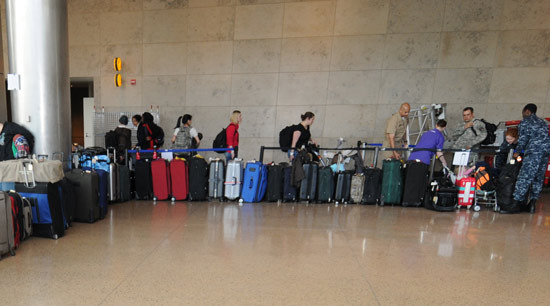
The fatigue after getting off the plane is significant as well. Bags checked at the gate must wait at the baggage claim.
Whereas in the past, people would head straight to the rental car shuttle, now they gather in front of the belt waiting for their bags.
After missing a shuttle at Love Field and delaying my schedule by 20 minutes, I found myself questioning, "Is this really the Southwest I used to know?"
Additionally, the policy for Customers of Size has become stricter, requiring additional seat purchases in advance, raising psychological barriers for customers.
In conclusion, Southwest may need to shed the label of being "something different from other airlines."
With assigned seating, premium fares, and complicated boarding processes, the distinctions from major airlines have blurred.
Among loyal customers in Dallas, there are cynical reactions like, "If this is the case, I might as well fly with a major airline that offers better service or choose a low-cost carrier altogether."
Is the change that breaks decades of tradition truly benefiting customers?
As the core assets of 'quick boarding and simplicity' are shaken, it will be interesting to see how Texas's pride, Southwest, navigates this chaos to regain customer trust.







 candytip |
 Gold Bar |
 Pirate Ship Popcorn Maker |
 Montgomery Mom |
 Anjollinya Blog |
 xylora |
 Aura-Infused WACAM |
 wendra |

 Dallas Fort Worth DFW |
  Tora Tora |
  yellowbutter |
  Dolly |
  US Embassy |
  NYC saladbar |
  Finding Superfoods |
  lightyear |
  song bang |
  vexomo |
  Indiana Jones |
  meloncat |
  novapixel |
  mortrix |
  Esther 1983 |
  fortbliss |
  Moscow Kim |
  My Two Way |
  toastyfox |
  FLORIDA Acus |
  tracker |