
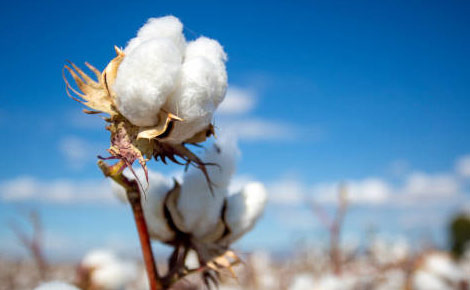
The cotton industry drove the early economic growth of Houston and contributed to the development of local agriculture as well as the commercial, financial, and logistics sectors.
- In the early 19th century, Texas established itself as a major cotton-producing region in the United States, with Houston being one of the centers of this industry.
- From the mid-1800s, Texas saw a surge in cotton production, accounting for a significant portion of the total cotton output in the United States.
- Thanks to its port and railway system, Houston developed into a central city for cotton trade and export.
The Cotton Industry and Houston's Economic Growth
Galveston Port and Houston Port:
- In the late 19th century, Galveston Port was a major cotton export port, but by the early 20th century, Houston Port took over that role.
- Houston Port is connected to the deep-water Houston Ship Channel, facilitating the import and export of cotton as well as various goods.
Railroads:
- In the mid-19th century, as the railroad network expanded, Houston became a key hub for transporting cotton produced in inland Texas to Galveston Port.
- The development of railroads provided the foundation for efficient movement of cotton from farms.
Texas Cotton Exchange:
- Established in Galveston in 1872, Houston also developed as a center for cotton trading and finance.
- This exchange adjusted cotton prices and served as a link to international markets.
Changes in the Cotton Industry and Its Modern Significance
Mechanization and Industrialization:
- In the early 20th century, cotton cultivation saw significant productivity improvements due to mechanization and technological innovations.
- Houston was also important as a distribution hub for related machinery and technology, in addition to cotton production.
Transition to the Oil Industry:
- In the mid-20th century, the rise of the oil industry shifted Houston's economic focus from cotton to oil.
- However, cotton remains a significant part of Texas's agricultural economy.
Current Texas and the Cotton Industry
- Texas's Position:
Texas is still the largest cotton-producing state in the U.S., accounting for about 40% of the total cotton production in the country. - Modern Houston's Role:
- Houston continues to serve as a hub for finance, logistics, and research related to cotton cultivation.
- Houston Port still functions as a major export port for agricultural products, including cotton.
Related Tourist Attractions and Learning Places
Houston Ship Channel Tour:
- Explore the history of Houston Port, which played a central role in cotton trade and export.
Texas Cotton Museum:
- Offers exhibitions highlighting the history of the cotton industry and its economic role in Texas.
The Heritage Society Museum:
- Learn about the relationship between Houston's early economy and the cotton industry.
Houston has solidified its economic foundation through the cotton industry and transformed into a modern center for oil and logistics. The cotton industry in Texas and Houston remains a significant example of agricultural economy in American history, deeply influencing the economic and cultural identity of modern Texas.








 U.S. Weather Bureau News |
 Things to know |
 Premium Gas Camp |
 Texas Real Estate Blog |
 action blog 101 |
  Korean Mom |
  My NYC |
  moo moo |
  Mr Oh |
  forevergee |
  festival |
  manchester |
  constant |
  Leapfrog Move |
  vibranto |
  Tora Tora |
  yellowbutter |
  Dolly |
  US Embassy |
  NYC saladbar |
  Finding Superfoods |
  lightyear |
  song bang |
  vexomo |
  Indiana Jones |