
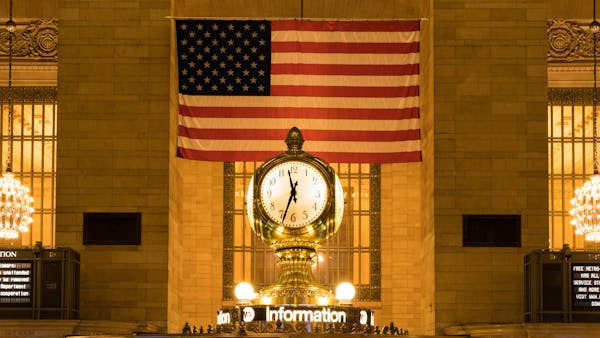
Grand Central Terminal is the most famous and iconic train station in New York City, located in Manhattan, widely known as a transportation hub and an architectural masterpiece. This station is an important place that reflects New York's history and culture, serving as a hub for millions of passengers every day.
History of Grand Central Terminal
The historical beginnings of Grand Central Terminal date back to 1913. The original Grand Central Station opened in 1871, but due to increasing traffic and demands for better facilities, it was rebuilt in 1913. The newly constructed Grand Central Terminal was completed as the largest train station in the world at that time.
Opened in 1913
- Opening date: February 2, 1913
- Architects: Built under the designs of famous architects such as William Vanderbilt and John B. Pierce.
- Design: This station was built in the Beaux-Arts style, showcasing the beauty and grandeur of classical architectural styles.
Architectural Features of Grand Central Terminal
Grand Central Terminal was considered a symbol of architectural innovation and design at the time. This station is a landmark of New York City, captivating people today with its scale, grandeur, and intricate design elements.
1. Grand Design
- Architectural style: The Beaux-Arts style is characterized by the elegance of classical design, including elaborate sculptural decorations, marble floors, and large windows. This style originated in France and the station's exterior is influenced by ancient Greece and Rome.
- High ceiling: The most impressive part of the station is the ceiling. The station's ceiling is 42 feet (12.8 meters) high, adorned with a unique starry sky painting in turquoise and gold. This painting represents constellations from Greek mythology, drawing visitors into a mystical atmosphere.
- Main hall: The main hall, the heart of Grand Central Terminal, is a massive space approximately 275 feet (84 meters) long, featuring an impressive glass ceiling and marble columns. This hall serves as a crossroads for countless passengers.
2. Detailed Design and Symbolism
- Passage of time: The wall clock at the center of the station is designed to allow time to be checked from four sides, and it is a representative example of the old complex mechanical clocks, known as a popular photo spot.
- Garden-like atmosphere: The marble and wood finishes inside the station create a sophisticated ambiance, with various restaurants and retail shops contributing to the cozy atmosphere of the station.
Functions of Grand Central Terminal
Grand Central Terminal plays a crucial role in New York City's transportation network, functioning as a train station connecting various regions. This station is the hub of the Metro-North Railroad, with major trains heading north and east departing from here.
- Metro-North: Grand Central Terminal is the home of the Metro-North Railroad, which connects New York with Connecticut, northern New York, and Westchester.
- Subway: Grand Central Terminal is also connected to the New York subway, linking with lines 4, 5, 6, and 7, providing convenient connections to other areas of New York City.
Cultural Symbol and Major Events
Grand Central Terminal holds significance beyond just being a train station. It is a cultural icon and has established itself as a symbolic place in New York.
- Film and literature: Grand Central Terminal is famous for appearing in numerous films and TV shows. Notably, the film "Grand Central Station" showcases the grandeur and historical significance of this station. It has also served as an important backdrop in films like "Garden State."
- Public art and exhibitions: Grand Central Terminal frequently hosts public art exhibitions and various cultural events. The station's lobby is often used to display artworks or host large events.
Modern Changes and Preservation Efforts
Grand Central Terminal is preserved as a historical building, and the City of New York and Metro-North Railroad continuously strive to maintain and modernize the building.
- Grand Central Terminal renovation: Renovation work was carried out in the 1990s, improving modern facilities while preserving the building.
- Commercial development: The station now houses various retail shops, restaurants, and cafes, enhancing its commercial function.
Grand Central Terminal is a symbolic place in New York that holds significance beyond just being a transportation hub. The grandeur of its history and architectural value always leaves a great impression on those visiting New York. Additionally, it functions as an important connection point within the city and remains a global tourist attraction visited by countless people.








 newyorker 101 |
 Things to Do to Buy a House |
 U.S. Weather Bureau News |
 International Court |
 NYC saladbar |
  Tonky |
  viroma |
  cookie |
  Live and that's it |
  Alright Twain |
  eatontown blog |
  HAWAII Korean Church News |
  Amore |
  linex |
  Balancework |
  laro90 |
  MEDBIO American Doctor Blog |
  SWAT TEAM BLK |
  DREAM BIG |
  frostbite |
  330 Forever My Love |
  El Dorado |
  dralix58 |
  Gorama Round |
  Skydiving |