
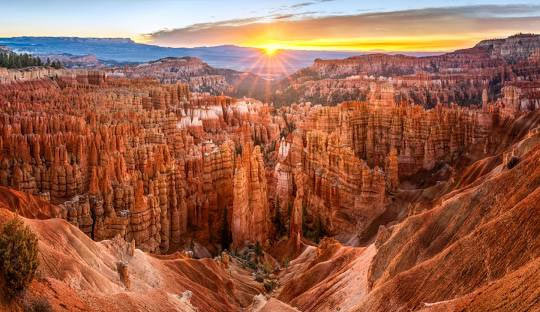
When you first see this place, it feels like you have arrived on another planet. I still vividly remember my surprise when I first visited.
The famous formations are the rock pillars called 'Hoodoos', which are natural works of art created by the erosion of wind and rain.
The colors are a mix of orange, red, and white layered together, sparkling in different lights as the sunlight shines on them. It is a perfect place for geology students to study. Additionally, the elevation here is about 2,400 to 2,700 meters, which is quite high, so the air is clear and the visibility is far. It is as high as Mexico International Airport, so it feels a bit lacking in air.
The park is home to many trees such as ponderosa pine and juniper, and you can often see animals like foxes, hawks, and bighorn sheep. In summer, it is hot during the day and cool at night, while in winter, the snow-covered hoodoos create a truly fantastic scene. Spring and autumn have pleasant weather, making it perfect for walks with wildflowers and autumn leaves.
There are must-visit viewpoints when you go to Bryce Canyon. At Sunrise Point, you can see the rocks turn red as the sun rises, and at Sunset Point, you can see the golden canyon sparkling in the sunset. Inspiration Point is a great spot to get a panoramic view of the entire park, perfect for taking photos. There are also various hiking trails.
If you are a beginner, the Queens Garden Trail is good, and if you want more adventure, I recommend the Navajo Loop Trail. Among them, the Wall Street section is an impressive path that walks between narrow cliffs. Stargazing is also a highlight here.
With almost no city lights, the night sky is exceptionally clear, and there are observatory programs where you can view stars through telescopes. In winter, you can enjoy a different atmosphere by snowshoeing among the snow-covered hoodoos. The entrance fee is about $35 per vehicle and $20 for pedestrians, valid for 7 days.
Inside the park, there is accommodation called Bryce Canyon Lodge, but reservations fill up quickly, so it's best to book in advance. In summer, there is also a free shuttle bus for convenient transportation.
Spring and autumn are the best times to travel, while summer is crowded but has good weather for hiking. Winter offers a unique charm with fewer visitors and snow-covered hoodoos.
Bryce Canyon may not be large, but it contains the mysteries and greatness of nature. After visiting the Grand Canyon, be sure to stop by here as well. Traveling with nearby Zion National Park or the Grand Canyon makes for an even more wonderful itinerary.




 candytip |
 Gold Bar |
 Pirate Ship Popcorn Maker |
 Montgomery Mom |
 Anjollinya Blog |
 morvex37 |
 Utah, the Most Livable State |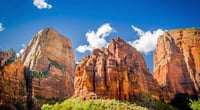
 Tonky |
  viroma |
  cookie |
  Live and that's it |
  Alright Twain |
  eatontown blog |
  HAWAII Korean Church News |
  Amore |
  linex |
  Balancework |
  laro90 |
  MEDBIO American Doctor Blog |
  SWAT TEAM BLK |
  DREAM BIG |
  frostbite |
  330 Forever My Love |
  El Dorado |
  dralix58 |
  Gorama Round |
  Skydiving |