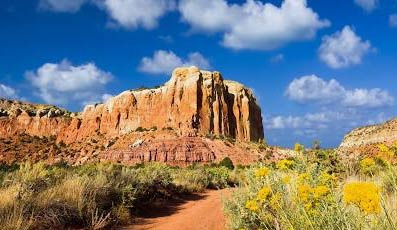
New Mexico has several desert areas, but the most representative deserts are White Sands (White Sands National Park) and the Chihuahuan Desert. These two deserts showcase New Mexico's unique natural landscapes and climate, providing exotic experiences for visitors.
White Sands is located in southern New Mexico, and as the name suggests, it features vast white gypsum sand dunes. The sand dunes shine under the intense sunlight during the day, and at sunset, they create a fantastic view with the sky painted in red.
The Chihuahuan Desert (Chihuahuan Desert, Spanish: Desierto de Chihuahua) is one of the largest deserts in North America, sprawling across the border between the United States and Mexico. This desert attracts many nature enthusiasts with its unique dry climate and distinct ecosystem.
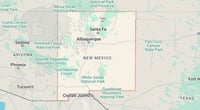
In the United States, the central and southern parts of New Mexico, the western part of the Pecos River in Texas, and the southeastern part of Arizona are part of the Chihuahuan Desert. These areas are characterized by wide plains, rugged terrain, and extreme temperature variations, experiencing intense heat and strong sunlight in the summer, followed by rapidly dropping temperatures at night.
In Mexico, the northern half of Chihuahua state, most of Coahuila state, the northeastern part of Durango state, the northern tip of Zacatecas state, and the western part of Nuevo León state belong to the Chihuahuan Desert. These regions boast dry and rugged landscapes, rich wildlife, and plant communities, with traditional agriculture and livestock still being important livelihoods.
The Chihuahuan Desert is more than just a dry sandy area. It has been a place where humans and animals have survived and adapted for thousands of years, serving as a valuable natural laboratory for studying unique natural landscapes and ecosystems. The quiet and desolate beauty of the desert inspires many travelers and photographers, allowing visitors to experience the immense power of nature and the wonders of life that thrive within it.
Additionally, some parts of southern New Mexico are influenced by the Chihuahuan Desert. The Chihuahuan Desert is a vast desert region that spans across the southwestern United States, and the desert areas of New Mexico fall into this category. This region experiences extremely low annual rainfall, characterized by intense dryness, with daytime temperatures exceeding 100°F (about 38°C) and rapidly dropping temperatures at night.
The climate of the New Mexico desert is typical of desert climates, with annual rainfall usually ranging from 5 to 10 inches, which is very low. In the summer, temperatures rise significantly under the hot sun, but after sunset, it quickly cools down, leading to dry nights.
#new mexico
#white sands
#chihuahuan desert
#travel
#nature
#landscapes
#climate
#tourism




 rainyday |

 Say Yes in English |
 Southwestern |
 Pointy |
 U donn |
  DREAM BIG |
  frostbite |
  330 Forever My Love |
  El Dorado |
  dralix58 |
  Gorama Round |
  Skydiving |
  dreamport |
  Yellow Snowman |
  Toaster Pizza Magic Show |
  velvetnom |
  Anytime Journey |
  Mrs. Duluth |
  jaxter |
  Atlanta Mama |
  Baguette Blog |
  Tan Sol |
  US Embassy |
  Korean Mom |
  My NYC |