

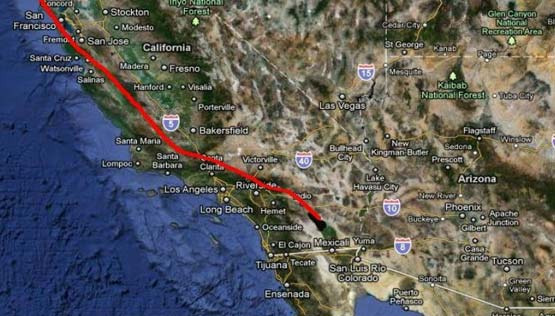
This refers to a massive earthquake that could occur along the San Andreas Fault. According to data released by the United States Geological Survey, there is over a 99% chance that a magnitude 6.7 or greater earthquake will occur in California within the next 30 years.
In particular, the southern San Andreas Fault has not experienced a major earthquake since 1857, indicating that energy has been building up.
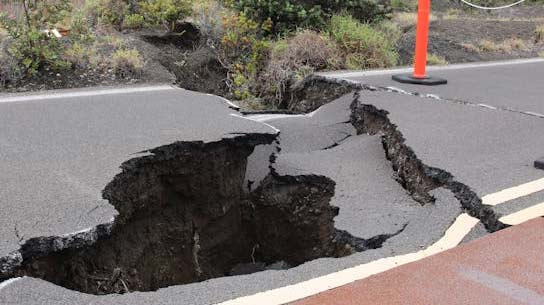
If a magnitude 7.9 earthquake were to occur, it is estimated that there would be over 3,000 fatalities, more than 80,000 injuries, and over 500,000 buildings would be partially collapsed. The damage is estimated to exceed $300 billion, which is terrifying to even imagine.
Moreover, when an earthquake strikes, fires can be even more frightening than building collapses. If power lines are down and gas lines burst, fire trucks may not be able to access the area. The fault line runs through California, passing near densely populated areas such as Los Angeles, San Bernardino, Riverside, and San Diego, making these regions particularly vulnerable.
Heading north, the Hayward Fault near San Francisco is also significant. There is a 72% chance of a magnitude 6.7 or greater earthquake occurring here within the next 30 years, with potential damages reaching $200 billion. So how should we prepare? Since predicting earthquakes is difficult, the best course of action is to prepare in advance. It is essential to stock up on emergency supplies such as water, food, and first aid kits, and to establish a communication plan with family members.
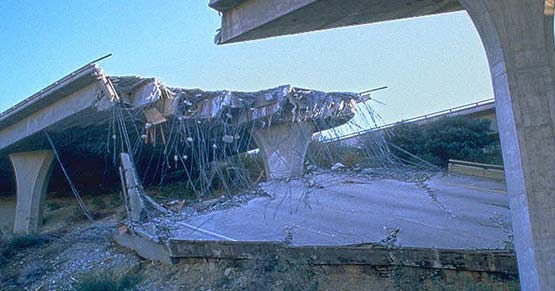
During an earthquake, avoid using elevators and seek shelter under a sturdy table to protect yourself. This 'Big One' is not just a rumor; it is a scientifically plausible and realistic threat.
If you live in or plan to visit California, earthquake preparedness is essential. Experts emphasize that during an earthquake, internet and cell phone networks may be down for days, so families should establish a meeting place or communication method in advance. While we cannot prevent earthquakes, reducing damage relies entirely on our preparedness.
LA faces another risk: tsunamis. The gentle coastline and wide beaches of LA could lead to significant flooding if a large tsunami were to strike. Located in the Pacific's 'Ring of Fire,' LA could be indirectly affected by major underwater earthquakes in places like Alaska, Japan, or Chile.
In fact, a small tsunami reached the LA coast during the 1960 Chilean earthquake. Recent simulations suggest waves could reach up to 10 meters. Fortunately, the city of LA has a tsunami warning system in place and has installed evacuation routes and signs at each beach.







 moo moo |
 ultron78 |
 garlic bread |
 Sugar Cream Door Bulletproof Noodles |
 urbanmint |
 Piano Teacher Blog |
 Kkikki Ppappa Shout Out Loud |
 Coco and Lulu |
 U.S. Weather Bureau News |
  American Airlines Mileage |
  US Embassy |
  Korean Mom |
  My NYC |
  Mr Oh |
  forevergee |
  festival |
  manchester |
  constant |
  Leapfrog Move |
  vibranto |
  Tora Tora |
  yellowbutter |
  Dolly |
  NYC saladbar |
  Finding Superfoods |
  lightyear |
  song bang |
  vexomo |
  Indiana Jones |