

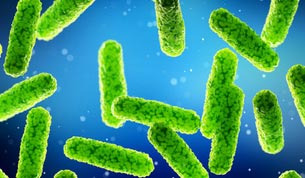
Today, let's take a brief look at the various bacteria that live in our intestines, commonly classified as "harmful bacteria" and "beneficial bacteria."
Did you know that the composition of microorganisms in our body is just as important as our genes? Most of these microorganisms reside in the intestines (mainly the small and large intestines) and play a significant role in our health, immunity, and infection prevention.
When we think of healthy foods, we often consider breast milk, organic products, preservative-free items, antibiotic-free foods, fermented foods, fresh produce, slow food, anti-inflammatory foods, vegetarian options, and raw foods. One reason these foods or dietary habits are directly beneficial to our bodies is that they positively change the composition of our gut microbiota, ultimately helping to increase the number of beneficial bacteria.
In fact, there are an enormous variety of microorganisms living in our intestines, among which both health-promoting and harmful friends coexist.
Why are harmful bacteria harmful?
- Some harmful bacteria produce toxins during metabolism or secrete substances that trigger inflammatory responses.
- Examples include Clostridium difficile (C. difficile), Staphylococcus aureus, and certain strains of Escherichia coli (E. coli) that cause problems in the intestines.
- When harmful bacteria become too numerous, they can lead to digestive issues such as diarrhea and abdominal pain, as well as decreased immunity and inflammatory diseases.
What role do beneficial bacteria (probiotics) play?
- They help to 'block' harmful bacteria from taking up too much space in the intestines.
- They produce digestive enzymes and assist in breaking down the food we eat, allowing for efficient absorption of necessary nutrients.
- Examples include Lactobacillus and Bifidobacterium, which are commonly found in fermented foods like yogurt and kimchi.
- These beneficial bacteria protect the mucous membranes and help maintain a strong immune system, ultimately playing a positive role in enhancing immunity and alleviating allergies or inflammation.
What influences the balance between harmful and beneficial bacteria?
- Diet: Consuming fermented foods and fiber-rich vegetables and fruits supports beneficial bacteria, while excessive intake of processed foods, sugars, and fats can increase harmful bacteria.
- Antibiotic use: Antibiotics can indiscriminately kill not only pathogens but also beneficial bacteria in the gut, increasing the likelihood that harmful bacteria will fill the void.
- Stress and lack of sleep: Increased stress can disrupt the immune system, leading to a decrease in beneficial bacteria and a relative increase in harmful bacteria.
- Exercise habits: Regular exercise promotes gut motility and contributes to overall immune function.
How can we maintain a healthy gut microbiome?
- Consume fermented foods and probiotics: Foods like kimchi, doenjang, cheonggukjang, and yogurt are rich sources of lactic acid bacteria.
- Intake of prebiotics: Consuming sufficient dietary fiber and oligosaccharides, which serve as food for beneficial bacteria, helps them establish themselves well.
- Regular exercise and a consistent lifestyle: Gut microbiota are sensitive to lifestyle rhythms. Maintaining a regular routine increases the likelihood of a stable gut environment.
- Use antibiotics cautiously: Only use them when necessary, and during the course, it is advisable to include probiotics or fermented foods.
Ultimately, there coexist 'good bacteria (beneficial bacteria)' and 'bad bacteria (harmful bacteria)' in the gut. The key is the balance between the two, which is significantly influenced by our diet and lifestyle. By creating an environment rich in beneficial bacteria, we reduce the space for harmful bacteria to thrive, thus maintaining a healthy gut and overall body condition.
Above all, if you remember that "the food I eat ultimately affects the microorganisms in my gut," you will likely consider healthier dietary choices and lifestyle habits.




 Tora Tora |
 neroyo |
 nivex85 |
 Old English |
 nixxon |
 Piano Teacher Blog |
 humpday sonata |
 Kkikki Ppappa Shout Out Loud |
 U.S. Weather Bureau News |
 American Airlines Mileage |
  yentra |
  Make My Day |
  Victory 1988 |
  Tonky |
  viroma |
  cookie |
  Live and that's it |
  Alright Twain |
  eatontown blog |
  HAWAII Korean Church News |
  Amore |
  linex |
  Balancework |
  laro90 |
  MEDBIO American Doctor Blog |
  SWAT TEAM BLK |
  DREAM BIG |
  frostbite |
  330 Forever My Love |
  El Dorado |