

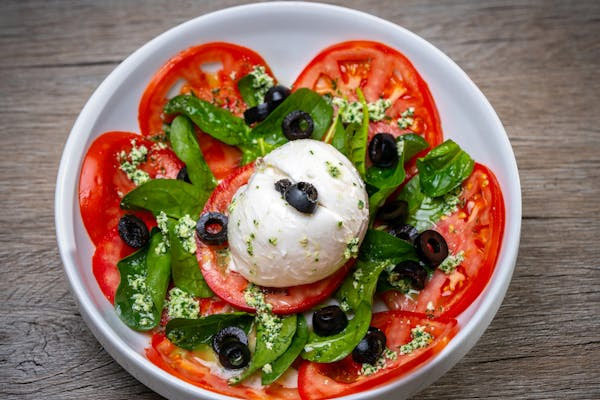
Tomatoes are a vegetable and fruit that can be easily found in everyday life.
You can find them in supermarkets, small roadside shops, and even in your own backyard garden.
But did you know that they are not just ingredients that add color to dishes, but a superfood that is very beneficial for our health?
The first component that comes to mind when thinking of tomatoes is lycopene.
This is an antioxidant that gives tomatoes their red color and helps suppress free radicals in our bodies.
Free radicals are the main culprits that damage cells and promote aging, and since lycopene blocks them, it is known to be effective in preventing skin aging and cancer. In fact, studies have shown that people who regularly consume tomatoes have a lower risk of prostate, stomach, and lung cancers compared to those who do not.
Tomatoes are also good for the heart. In addition to lycopene, they are rich in potassium and vitamin C, which help lower blood pressure and strengthen blood vessels. For modern people who consume too much sodium, potassium is essential, and tomatoes help balance that deficiency. Regular consumption can reduce the risk of cardiovascular diseases such as arteriosclerosis, hypertension, and myocardial infarction.
Prolonged exposure to sunlight can easily damage the skin. However, the lycopene and beta-carotene in tomatoes are said to protect the skin from UV rays. In fact, in Europe, tomato extracts are consumed as a supplement for UV protection during the summer. Additionally, vitamin C helps with collagen synthesis, making the skin firm and smooth, so it can be considered a beauty-enhancing food.
Tomatoes contain only about 18 kcal per 100g. They are almost at the level of water, making them easy to consume without worry. Moreover, they are rich in dietary fiber, providing a feeling of fullness and aiding gut health. This is why tomatoes are a staple in diet plans. Just a few cherry tomatoes in the morning can provide a simple feeling of fullness, making them perfect as a snack.
Tomatoes also contain components like lutein and zeaxanthin. These components help protect the eyes and prevent age-related eye diseases like macular degeneration. Additionally, they are rich in beta-carotene, a precursor to vitamin A, which is good for vision. This is an essential nutrient for today's generation, who spend long hours looking at computers and smartphones.
The lycopene in tomatoes also positively affects bone health. Especially for women, the risk of osteoporosis increases with age, and regular consumption of tomatoes can help maintain bone density. Furthermore, they contain vitamin K, which aids calcium absorption, making them effective in protecting bones and joints.
Tomatoes are also rich in B vitamins, which facilitate energy metabolism. As a result, they help with fatigue recovery and contribute to muscle recovery when consumed after exercise. Their high water content also makes them good for preventing dehydration and quenching thirst in the summer.
An interesting fact is that the nutrients absorbed from tomatoes differ when eaten raw versus cooked. Raw tomatoes provide the highest intake of vitamin C, while cooked tomatoes have a higher absorption rate of lycopene. Therefore, it is good to eat them both raw and cooked, such as in pasta sauces or stews. Remember that cooking them with olive oil increases the absorption rate of the fat-soluble lycopene.
Tomatoes are great to eat raw and are also excellent as cooking ingredients. They are not expensive and can be easily found anywhere, and with all these health benefits, they truly deserve to be called a superfood.
Even eating a little bit every day can make a noticeable difference in our bodies.
 HawaiiTofu




 Baguette Blog |
 Khan Film Blog Production |
 dermoon |
 hoosierdaddy |
 sun walker |
 squidogame |
 Margarine Daebimama |
 eatontown blog |
 cloudyday |
 Google Idea |
  dralix58 |
  Gorama Round |
  Skydiving |
  dreamport |
  Yellow Snowman |
  Toaster Pizza Magic Show |
  velvetnom |
  Anytime Journey |
  Mrs. Duluth |
  jaxter |
  Atlanta Mama |
  US Embassy |
  Korean Mom |
  My NYC |
  moo moo |
  Mr Oh |
  forevergee |
  festival |
  manchester |