
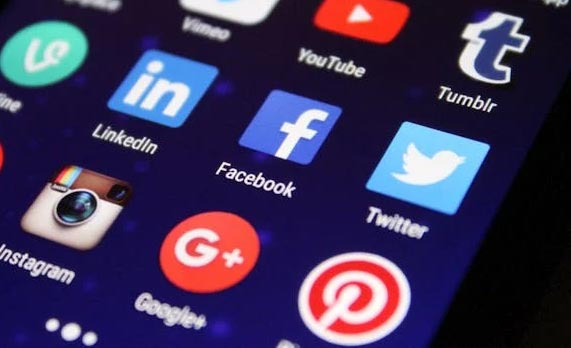
Nowadays, social media has become an essential part of life; while it can be convenient and enjoyable, it can also make people unhappy. Why does this happen? Let's examine the various aspects of how social media affects us.
Excessive Comparison and Inferiority Complex
In the process of browsing through others' daily lives, we unknowingly compare ourselves to them. In fact, social media often showcases only the "great" moments, making it seem like that is all there is to life, leading to feelings of inadequacy.Constant Stimulation and Information Overload
Every time we open social media, we are bombarded with countless posts, notifications, and ads. Our brains are constantly stimulated, leading to fatigue, decreased concentration, and increased mental stress. Ultimately, accumulated stress can heighten feelings of anxiety.Desire for Recognition and Addiction
The psychology of posting and waiting for reactions (likes, comments, etc.) also plays a role. Receiving many reactions can boost our mood, while receiving few can lead to feelings of depression. This cycle can gradually lead to an obsession with social media, creating a vicious cycle where satisfaction in real life diminishes.Fake Information and Negative Atmosphere
Social media allows anyone to post easily, leading to the rapid spread of fake news and sensational rumors. Spending more time exposed to a negative atmosphere can unconsciously dampen our mood and erode our trust in the world.Lack of Real Human Relationships
While social media allows for easy communication, it can actually reduce opportunities for face-to-face meetings and meaningful interactions. Humans have evolved to build intimacy through direct exchanges, so an increase in online relationships can lead to feelings of emotional emptiness.Privacy Invasion and Anxiety
Worrying about how much personal information to disclose and how others perceive us can increase stress. Additionally, there are cases where privacy is unintentionally exposed or personal information is misused, leading to heightened anxiety.
So how can we coexist healthily with social media?
It's best not to invest too much time and to develop a habit of using it during specific time slots. Alternatively, limit yourself to viewing only content you enjoy or news from close friends, minimizing exposure to other sensational information. Above all, it is important to find balance through direct meetings, conversations, and offline hobbies rather than seeking satisfaction through social media.
Social media is undoubtedly a tool that makes our lives convenient and rich, but remember that if not used properly, it can lead to unhappiness. Ultimately, what matters is balance, moderation, and a fulfilling life in reality.






 Weekend Movie Blog |
 Beauty, Health, Lifestyle Blog |
 coloradoman |
 Superman Cat Blog |
 novapixel |
  laro90 |
  MEDBIO American Doctor Blog |
  SWAT TEAM BLK |
  DREAM BIG |
  frostbite |
  330 Forever My Love |
  El Dorado |
  dralix58 |
  Gorama Round |
  Skydiving |
  dreamport |
  Yellow Snowman |
  Toaster Pizza Magic Show |
  velvetnom |
  Anytime Journey |
  Mrs. Duluth |
  jaxter |
  Atlanta Mama |
  Baguette Blog |
  Tan Sol |