

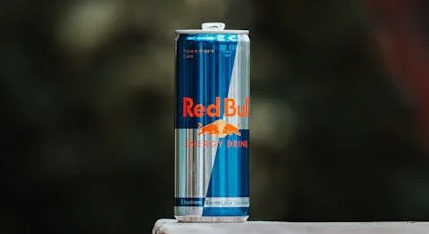
Red Bull is a globally famous energy drink that contains caffeine, taurine, sugar, and more. Concerns have been raised about serious side effects that can occur with excessive consumption or in combination with certain health conditions. Energy drinks like Red Bull are often sought after by many people to relieve fatigue, especially when studying for exams or during strenuous tasks, leading some to experience side effects from overconsumption.
The origin of Red Bull dates back to 1962 when the Thai company TC Pharmaceuticals developed a non-carbonated drink called "Krating Daeng" (กระทิงแดง). "Krating Daeng" means "Red Bull" in Thai, which is the source of the name for the well-known Red Bull in Austria. This drink was created by Thai entrepreneur Chaleo Yoovidhya using sugar and caffeine.
In the early 1980s, an Austrian businessman named Dietrich Mateschitz encountered this drink in Bangkok. After tasting "Krating Daeng," he recognized its potential and proposed to adapt it for the European market. He co-invested with Chaleo Yoovidhya to establish Red Bull GmbH in 1984, and in 1987, they launched the Red Bull energy drink.
This beverage, which started in Thailand, gained immense popularity in the European market and grew into a global brand. Red Bull has become an iconic product in the energy drink market and has further established its brand through collaborations with various sports and events.
American college students often consume energy drinks due to fatigue and academic schedules. While energy drinks can provide short-term relief when fatigue accumulates or concentration wanes, long-term use can lead to dependency and significant health impacts, making moderate consumption important.
In the U.S., Red Bull is frequently consumed among students studying for exams, while long-haul truck drivers in the UK drink energy drinks to combat fatigue while driving. Thus, energy drinks can help with short-term concentration and fatigue recovery, but dependency or overuse can cause problems.Side Effects and Risks
Energy drinks, including Red Bull, contain various ingredients besides caffeine, and excessive consumption can lead to side effects.
For example, in New Zealand, a woman attempted to diet by drinking Red Bull instead of eating, successfully losing weight but experiencing severe side effects such as vomiting, dizziness, and heart attack symptoms due to rapid weight loss. This highlights the important warning that excessive consumption for dieting can be dangerous.
While energy drinks like Red Bull are generally not directly linked to health issues, official research indicates that excessive consumption can lead to health problems. Particularly, excessive caffeine intake can be harmful to children, so caution is necessary.
Scientific and Regulatory Positions
The FDA (U.S. Food and Drug Administration) recommends a safe intake level for energy drinks, including Red Bull, of no more than 400mg per day and advises caution for individuals with certain health conditions, pregnant women, and adolescents.
The European Food Safety Authority (EFSA) has not confirmed any deaths caused by a single product but emphasizes the risks associated with mixing with alcohol or excessive consumption.







 Baguette Blog |
 Khan Film Blog Production |
 dermoon |
 hoosierdaddy |
 sun walker |
 neroyo |
 celion78 |
 Folding Instructions |
 Say IT Now |
 US Legal Consultation on Trials |
  Tonky |
  viroma |
  cookie |
  Live and that's it |
  Alright Twain |
  eatontown blog |
  HAWAII Korean Church News |
  Amore |
  linex |
  Balancework |
  laro90 |
  MEDBIO American Doctor Blog |
  SWAT TEAM BLK |
  DREAM BIG |
  frostbite |
  330 Forever My Love |
  El Dorado |
  dralix58 |
  Gorama Round |
  Skydiving |