

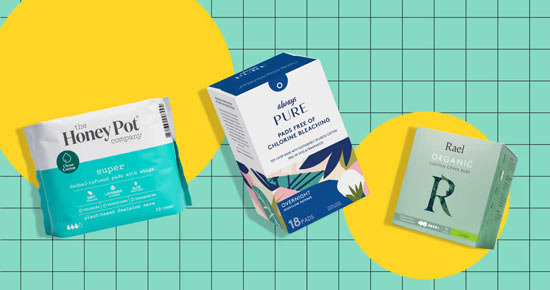
Recently, the topic that has become a hot issue among women in America is 'eco-friendly sanitary pads'. In the past, when it came to sanitary pads, factors like brand name, absorbency, and fragrance were the main considerations, but now we are in an era where the materials are scrutinized closely.
As awareness of environmental protection has increased among American consumers, there is a strong tendency to purchase eco-friendly products to reduce plastic waste and environmental pollution. More consumers are looking for sanitary pads made from organic, biodegradable materials or reusable menstrual products instead of disposable plastic pads.
Especially among the younger generation, after the controversy over the harmfulness of sanitary pads that erupted in Korea in 2017, voices grew asking, "Why are there so many chemical ingredients in products that touch my body?" Taking advantage of this, eco-friendly brands have rapidly grown.
Initially, they attracted attention with simple phrases like 'unscented', 'no fluorescent agents', and 'organic cotton', but now they have evolved further.
Products made from corn starch, bamboo fibers, and even sugarcane pulp are now available. The term eco-friendly has shifted from being just a marketing term to a trend aimed at reducing environmental burdens in actual materials and production processes.
The first brand I tried was Rael. It is a brand co-founded by a Korean woman, which gave me trust due to its combination of Korean sensibility and American organic certification. The texture was soft and less smelly, so I definitely felt it was different from existing products. Although the price was a bit high, the comfort and eco-friendly materials made me feel somewhat better mentally.
After that, I also tried brands like Cora, Lola, and The Honey Pot, each with distinct personalities. Cora has a completely minimalistic packaging, while The Honey Pot emphasizes plant-based ingredients and includes aloe and herbal extracts to highlight 'natural soothing effects'.
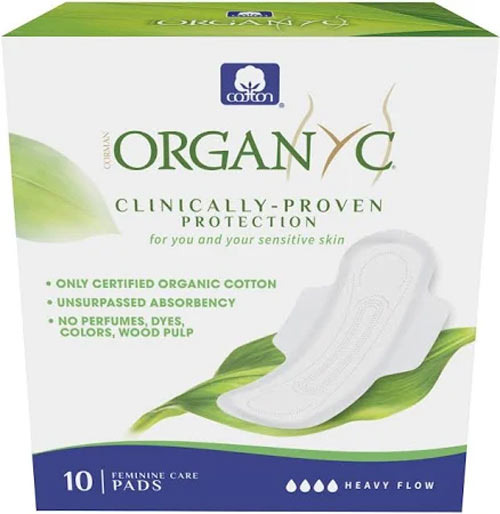
These products are establishing themselves as brands that make people think about both 'women's health' and 'environmental protection', but there are indeed downsides.
First of all... the prices are high. They are about 1.5 to 2 times more expensive than regular sanitary pads.
Considering organic cotton, natural fibers, and carbon-neutral packaging, the production costs inevitably rise.
Moreover, absorbency varies by brand, so some products may get wet too quickly or lack a good fit. There is also skepticism towards brands that emphasize marketing without substantial verification under the name 'eco-friendly'.
Still, I see this change as quite positive. In the past, the topic of sanitary pads was something women found difficult to bring up even among themselves, but now a culture has emerged where people confidently review, compare, and recommend on social media.
Reviews like "This one feels good to wear" and "This one has biodegradable packaging" are naturally being shared, and brands quickly reflect such consumer feedback.
It has become not just a simple product, but a 'conscious choice'. Now, with various alternatives like menstrual cups, period panties, and reusable pads available, the range of choices has greatly expanded.
In this era, even a single sanitary pad reflects the values I aspire to, and that is the current trend of eco-friendly sanitary pads in America.




 U.S. Weather Bureau News |
 Conflite Teacher |
 Exploring American Life Information |

 Soy Angelino |
  Gorama Round |
  Skydiving |
  dreamport |
  Yellow Snowman |
  Toaster Pizza Magic Show |
  velvetnom |
  Anytime Journey |
  Mrs. Duluth |
  jaxter |
  Atlanta Mama |
  Baguette Blog |
  US Embassy |
  Korean Mom |
  My NYC |
  moo moo |
  Mr Oh |
  forevergee |
  festival |
  manchester |
  constant |