

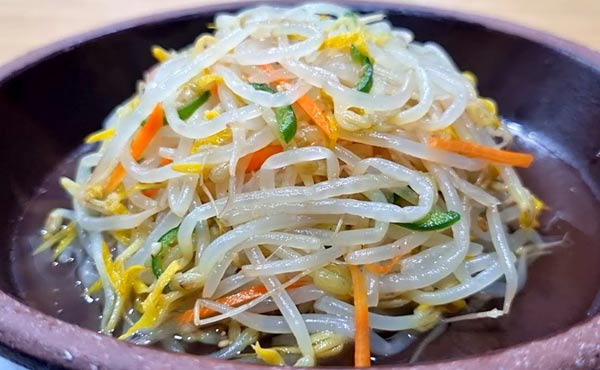
Bean sprouts are commonly seen in grocery stores, but they often appear as a special supporting ingredient on the dining table.
When added to Vietnamese pho, they enhance the refreshing texture, and when included in spicy beef soup, they make the broth cleaner. Also, when lightly placed on grilled beef brisket, they help balance the rich flavor while adding a crunchy texture. Given their uses, bean sprouts can be seen more as a quiet assistant that organizes flavors and maintains balance rather than a main ingredient.
It is well-known that bean sprouts are germinated mung beans, but there are many interesting points regarding their detoxifying properties.
Mung beans are rich in minerals, but their composition changes as they sprout. During the germination process, the proteins and carbohydrates in mung beans break down into smaller components, increasing their absorption rate, while antioxidants, vitamin C, dietary fiber, and minerals are said to increase. This is why even the same mung beans have more diverse 'active nutritional components' when in sprout form.
Bean sprouts contain B vitamins, vitamin C, dietary fiber, minerals like potassium and iron, and antioxidants such as flavonoids and phenolic acids. These components help reduce reactive oxygen species generated in the body, preventing cell damage, and may assist in alleviating the burden on the liver when processing toxic substances. The historical belief that bean sprouts help lower body heat and manage toxins is not just a simple experience.
The fact that bean sprout soup or seasoned bean sprouts often come to mind the day after drinking can be seen in a similar context. Substances like acetaldehyde, which are produced during alcohol breakdown, put a strain on the body, and the antioxidants and amino acids in bean sprouts can help alleviate this stress.
In particular, components like aspartic acid are known to assist the liver in alcohol breakdown, aiding in quick fatigue recovery and hangover relief. Of course, this alone won't completely eliminate a hangover, but it can help make the body feel less burdened the next day.
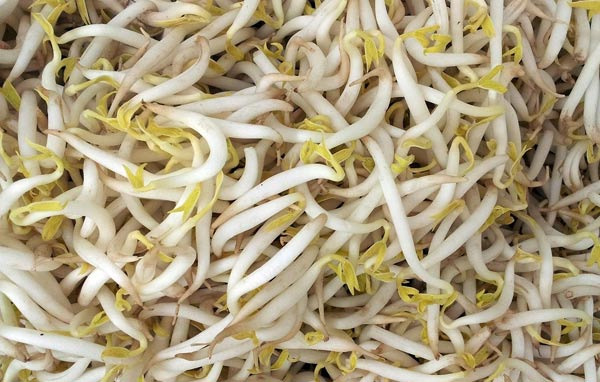
The peptides, vitamin C, polyphenols, and saponins produced during the sprouting of mung beans are said to have various potential functions such as anti-inflammatory, antibacterial, liver protection, blood sugar regulation, and cholesterol inhibition. While most of this research is still in experimental stages, it is interesting that it somewhat aligns with the traditional explanation that bean sprouts 'cool the body and soothe the stomach.'
Since sprouted vegetables like bean sprouts are high in moisture and have a humid growing environment, they are prone to bacterial growth, making hygiene management important. Therefore, in the U.S., it is recommended to cook or thoroughly heat bean sprouts rather than eat them raw, and those with weakened immune systems should pay extra attention to the cooking process.
Nevertheless, I believe that bean sprouts can be a beneficial ingredient for detoxification, fatigue recovery, and alleviating liver burden if cooked properly. Eating a light dish after feeling bloated or stressed, or the day after drinking, can particularly soothe the stomach, which can be attributed to these components' effects.
I often feel lighter after just having a bowl of rice with seasoned bean sprouts when I'm tired. Eating enough kimchi along with it can also give a healthy detox feeling.
Ultimately, I think bean sprouts are not just 'soft vegetables' but rather a valuable vegetable that can help our bodies recover from stress and fatigue due to the various components obtained during the sprouting process. The reason they naturally appeal to us not only the day after drinking but also when we feel bloated or heavy is quite significant.






 Pirate Ship Popcorn Maker |
 Total Beauty |
 Toaster Pizza Magic Show |
 Baguette Blog |
 California Information News |
  DREAM BIG |
  frostbite |
  330 Forever My Love |
  El Dorado |
  dralix58 |
  Gorama Round |
  Skydiving |
  dreamport |
  Yellow Snowman |
  velvetnom |
  Anytime Journey |
  Mrs. Duluth |
  jaxter |
  Atlanta Mama |
  Tan Sol |
  US Embassy |
  Korean Mom |
  My NYC |