

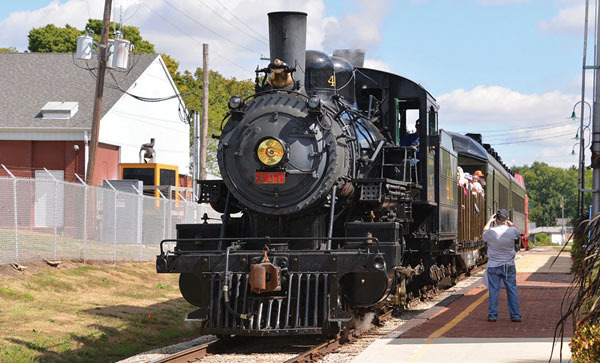
The Monticello Railway Museum is not just an exhibition of a few trains; it is literally a space where you can ride a train into the past. From the stories of those who have visited, most start with the phrase, "This place is real." It is not a museum where you just take a few pictures; it is a place where you physically experience the time of the railroad.
The core of this museum is undoubtedly the operating trains. They are not just displaying old trains; they have restored them to be operational. When you board a steam or diesel locomotive, you slowly travel through the rural scenery surrounding Monticello for about 50 minutes. The clattering when the train departs, the rhythmic sounds while it runs on the rails, and even the smells of diesel and coal smoke all contribute to a living railroad experience. It is no wonder that adults enjoy it even more than children.
Another impressive aspect here is the people. This museum is operated as a non-profit organization, and all the staff are volunteers. However, these individuals do not just provide guidance; they possess extensive knowledge about trains and railroad history. Standing next to the locomotive, they explain the engine, the routes, and the roles these vehicles played in different eras without hesitation. When you ask questions, their eyes light up as they share, making it clear that this space is not just a workplace but a place they genuinely care for.
Within the grounds, there are over 70 historical locomotives and passenger cars on display. Some vehicles are over 100 years old. When you tour the engine house, you can also see scenes of actual train repairs and maintenance, so for anyone interested in railroads, half a day is not enough; you could easily spend an entire day here.
Another characteristic of this place is the large number of family visitors. In addition to regular weekend operations, special event trains are run each season. In the fall, there is a pumpkin patch train, and in the winter, a Polar Express themed train that children especially love. These events are so popular that they often sell out quickly. There are also play areas for kids, pedal car tracks, and small barrel trains, ensuring that children have no time to get bored. Many enjoy taking the train into downtown Monticello for lunch and sightseeing before returning.
Of course, there are some downsides. It is not a shiny facility like the latest museums. The restrooms and some amenities feel old. In the case of the dinner train that runs for long hours, there are no restrooms on the train, which has been noted as inconvenient. However, most visitors say that even considering these aspects, the overall experience was much better.
In summary, the Monticello Railway Museum is the best playground for children who love trains and a treasure trove for adults who appreciate railroad history. It is rare to find a place where you can see, touch, and ride a massive iron horse while leisurely spending time. While it may not be flashy, I believe it is even more attractive as a genuine museum preserved by human hands and passion.




 candytip |
 Gold Bar |
 Pirate Ship Popcorn Maker |
 Montgomery Mom |
 Anjollinya Blog |
 golfmaster |
 Smile Face |
 kuku 100 |

 Tonky |
  viroma |
  cookie |
  Live and that's it |
  Alright Twain |
  eatontown blog |
  HAWAII Korean Church News |
  Amore |
  linex |
  Balancework |
  laro90 |
  MEDBIO American Doctor Blog |
  SWAT TEAM BLK |
  DREAM BIG |
  frostbite |
  330 Forever My Love |
  El Dorado |
  dralix58 |
  Gorama Round |
  Skydiving |