
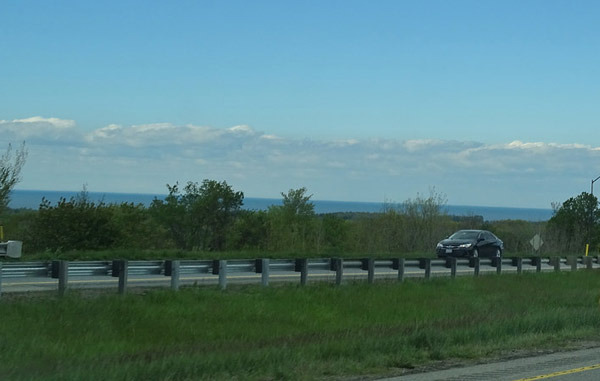
At the northern tip of Pennsylvania, the city named Erie may look small on the map, but it is quite an interesting neighborhood economically.
Upon closer inspection, the fact that this area is the only maritime gateway in Pennsylvania directly connected to a lake is the first center of its economy. Thanks to the sea-like Lake Erie, a port was established, and with logistics and transportation becoming possible, an industrial base naturally took root. In the past, heavy industries like steel, manufacturing, and shipbuilding were the main pillars of the local economy. During its heyday, the sounds of machines rolling between factories, cargo ships coming into the lake, and the bustling scenes of workers were common.
Of course, as times changed, it did not revert solely to heavy and large industries like before. There were periods of decline due to the contraction of manufacturing, and it is true that there were concerns about the future of this area as the job market fluctuated. However, the reason Erie did not completely stagnate is due to its surprising diversity. New fields have gradually been added on top of the old industrial base.
The proportion of stable service industries such as healthcare, insurance, education, and administration is steadily increasing, and as universities and research organizations grow, there has also been an influx of young people. The presence of Gannon University and the Penn State Behrend campus in the area means not just the existence of universities, but also a steady influx of young talent, technology, startups, and research projects. A different economic ecosystem has been created compared to the days when the city operated solely on machines.
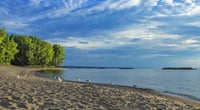
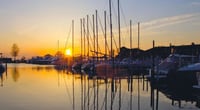
The lake itself also has a significant impact on the economy. It is tourism. In the summer, the beach and marina areas are bustling, and there are quite a variety of tourist products such as yacht tours, fishing, water sports, and winery tours. Although it is not as glamorous as Niagara, Erie has gained a reputation as a calm and substantial travel destination, attracting visitors from outside on weekends.
Lakeside restaurants, parks, museums, and attractions like Presque Isle State Park consistently generate revenue thanks to the natural scenery. There are many middle-aged travelers who enjoy tranquil landscapes and family units looking to relax with children. Tourism directly brings in consumer spending to the local economy, so accommodations, restaurants, shops, and service industries thrive together.
Another interesting trend is that Erie has been experimenting with a technology-based revitalization urban model in recent years. With a solid manufacturing base, attempts are being made to attract companies related to robotic automation, eco-friendly processes, and battery and renewable energy on top of the existing infrastructure.
It is not just about expanding size; there are also efforts to convert old factories into startup spaces or remodel old downtown buildings into startup hubs. When young companies come in, jobs are created, and when jobs are created, people and capital flow. Although it is not explosive growth like in large cities, there is a slowly building atmosphere.
The relatively low cost of living is also an advantage for the economy. Compared to Pittsburgh or Philadelphia, the burden of housing costs is much less, and traffic is not congested. Therefore, the demand for relocation among retirees, remote workers, and families is gradually increasing.
The slower pace of life compared to large cities and the proximity to nature also act as attractions, reducing stress. For businesses, lowering labor costs and rent makes it easier to operate, which can be an opportunity for startups and small businesses.
Ultimately, the economy of Erie is rooted in its past manufacturing, currently anchored in tourism, education, and healthcare, and is changing direction with the addition of technology for the future. The city created by the lake, the foundation built by industry, and the changes made by people are layered together to create today's Erie.


 fortbliss |
 Folding Instructions |
 yentra |
 Cali M Law Group |
 quanta7 |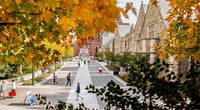
 Northeastern |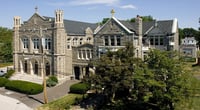
 Nationally Certified Lightning Charcoal Review |
 American Grape Shine Muscat |
 U.S. Weather Bureau News |
 sparkling |
  manchester |
  constant |
  Leapfrog Move |
  vibranto |
  Tora Tora |
  yellowbutter |
  Dolly |
  US Embassy |
  NYC saladbar |
  Finding Superfoods |
  lightyear |
  song bang |
  vexomo |
  Indiana Jones |
  meloncat |
  novapixel |
  mortrix |
  Esther 1983 |
  Moscow Kim |