

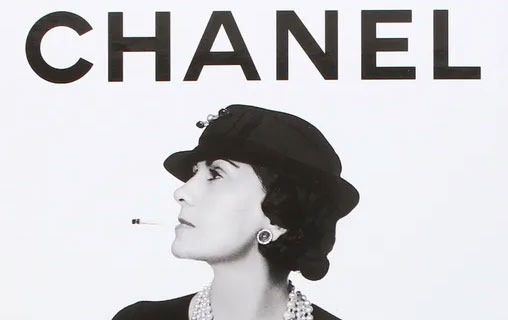
When the name Coco Chanel comes to mind, it evokes the image of a woman who fiercely fought against the times to change women's clothing. Today, when people feel that "comfortable clothing is a natural right," it is worth noting that this was made possible by someone who broke old rules while enduring societal scrutiny, and the change Chanel created was a significant rebellion at the time she was active.
She was born in 1883 in Saumur, France, into poverty and grew up in a convent orphanage. As an adult, she learned singing, dancing, and horseback riding, entangled with various men, but she was someone who ultimately rejected the common 'life dependent on men.'
At that time, it was natural for upper-class women to receive economic protection from men, but Chanel was so proud that she considered it "akin to prostitution." This attitude may have stemmed from her past of having to endure alone since her time in the orphanage or from her rebellious feelings towards her father who left her. Whatever the reason, her independence eventually burst forth as an energy that completely transformed the fashion world.
The period when Chanel's revolution began in earnest was the 1900s to 1910s. At that time, women's clothing consisted of suffocating corsets, exaggerated decorations, and constricting skirts. Women had to move according to their clothes, and clothing dominated women's bodies. However, Chanel looked at that rigid appearance and had a strong question: "Why do women have to wear such useless clothes?"
The discomfort she felt while wearing a skirt when riding a horse solidified this question even more. At that time, women could not wear pants while riding, but Chanel began to wear pants and ride. People called her a 'madwoman,' but Chanel found new inspiration in that gaze. Ultimately, the 'Chanel suit,' which applied the materials of men's suits to women's clothing, was born, and the word liberation first seeped into women's clothing.
In 1913, she began to establish herself as a designer, and after World War I, fashion demanded even more practicality. Chanel accurately grasped the flow of the times and expanded her Chanel store on Rue Cambon in Paris in 1921, announcing perfume No. 5.
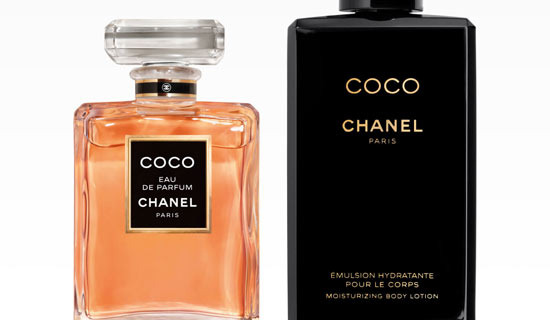
At that time, perfumes were centered around 'natural scents,' but Chanel actively utilized synthetic fragrances to create a strong and modern scent.
As she mingled with male artists and absorbed cultural inspiration, she had become a social icon.
It was also during this time that she created light yet stylish 'costume jewelry' by mixing pearls and faux gems. Until then, the jewelry worn by women was either expensive pieces bought by their husbands or inherited from their parents.
Chanel made it a part of fashion. Accessories that women could choose for themselves, styles they could enjoy without financial burden. While it seems obvious now, it was a tremendous innovation at the time.
However, Chanel's life did not continue solely with glamorous success. As World War II approached, she chose to close her brand and retire amid labor disputes and the turmoil of war, but the process was far from beautiful. When workers at her company, which employed 4,000 people, protested against poor conditions, Chanel did not improve their rights and ultimately closed the factory, laying everyone off.
She also faced controversy for allegedly forming relationships with high-ranking Nazis to save her nephew, and after the war, she was effectively exiled to Switzerland, facing criticism from France.
However, there was also a desperation to save her family in this process. She wanted to protect her nephew, whom she had raised, after the men she had loved throughout her life had died one after another. Chanel's life was a contradiction where glamorous success and terrible loneliness endlessly collided.
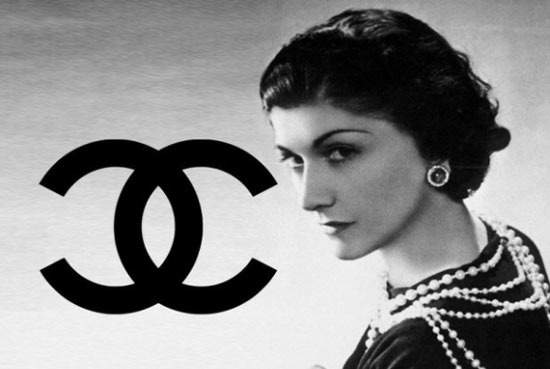
But she did not end there.
In 1954, she returned to the fashion world, criticizing the "era that tries to confine women back into corsets" in response to the glamorous dress styles of Christian Dior, who dominated the post-war fashion scene.
While the French press criticized her, America was enthusiastic about her. Hollywood stars rushed to wear Chanel suits, and tweed became a symbol of Chanel. In her later years, Chanel became the center of fashion again, and the combination of practicality and elegance became a new standard in the fashion industry.
Chanel's clothes were not just pretty clothes but "clothes that allowed women to move freely in their daily lives."
Thanks to those clothes, women could have jobs, walk freely, work, travel, and no longer had to hide their bodies in society. The moment Marilyn Monroe said, "I only wear Chanel No. 5 when I go to bed" was also a scene where a woman's liberation was declared through perfume.
Chanel was loved throughout her life but was also lonely, achieving great success yet being hated.
But one thing is clear: she completely erased the long-standing rule that women must be uncomfortable to look pretty.
When we think that the comfortable fashion we enjoy today is the result of someone fighting against the finger-pointing of the times, Chanel's life feels like not just the history of a luxury brand but a record of a woman who fought against the world and won.






 xylora |
 wendra |
 Aura-Infused WACAM |
 Texas Migration Story |
 There Are Such Things in the World |
  Tonky |
  viroma |
  cookie |
  Live and that's it |
  Alright Twain |
  eatontown blog |
  HAWAII Korean Church News |
  Amore |
  linex |
  Balancework |
  laro90 |
  MEDBIO American Doctor Blog |
  SWAT TEAM BLK |
  DREAM BIG |
  frostbite |
  330 Forever My Love |
  El Dorado |
  dralix58 |
  Gorama Round |
  Skydiving |