
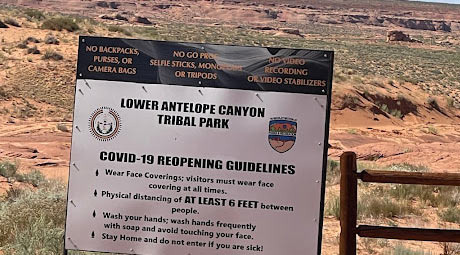
Antelope Canyon is a canyon located within the Navajo Nation near Page, Arizona, and is a world-renowned natural attraction.
This place is divided into Upper Antelope Canyon and Lower Antelope Canyon, attracting many tourists with its unique scenery created by the harmony of light and the canyon. It is best to view the light beams at noon during the summer.
Antelope Canyon is part of the Navajo Nation, and entry is only allowed with a guided tour. To visit, you must book a guided tour with a certified tour company, and only tours through guided tours are permitted!
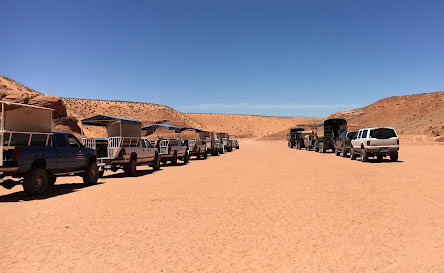
Since you cannot drive directly to the canyon, it is essential to book a tour in advance.
Access by vehicle
After arriving in Page, AZ, you cannot drive directly to the canyon entrance. You will join a guide at a designated location by the tour company to move to the canyon. Therefore, you must book a tour in advance and follow the tour company's instructions.
Booking Tips
Antelope Canyon is a very popular travel destination, so it is essential to book in advance. Especially during peak seasons (spring, summer), it often sells out quickly.
Historical Background
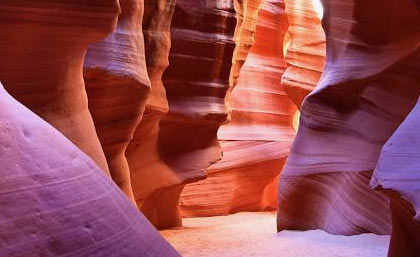
Formation and Geology
- Antelope Canyon was formed about millions of years ago as sandstone layers were eroded by water and wind.
- In particular, flash floods that occur during the monsoon season have carved the canyon deeper and narrower, creating its unique shape today.
Origin of the Name
- The name is derived from the fact that antelopes (Antelope) once inhabited the area.
Relationship with the Navajo Nation
- Antelope Canyon is considered a sacred place by the Navajo tribe. This canyon has been used as a space for spiritual healing and meditation, holding significant symbolic meaning in Navajo tradition.
Tourist Information
Upper Antelope Canyon
- Features: Located at ground level, it is easily accessible.
- Main Attraction: The spectacular light beams are its biggest draw.
- Tour Duration: Approximately 1 hour and 30 minutes.
- Recommended Time: Summer (May to September) when light beams appear, especially at noon.
Lower Antelope Canyon
- Features: You move along narrow passages and stairs, with a more dynamic terrain.
- Main Attraction: The beauty of curves and unique terrain.
- Tour Duration: Approximately 1 hour and 30 minutes to 2 hours.
- Recommended for: Relatively active travelers.
Tour Reservation Required
- Antelope Canyon can only be accessed through guided tours according to Navajo Nation regulations.
- Tour Companies: Various certified tour companies operate for both Upper and Lower Antelope Canyon.
Entrance Fee
- In addition to the guided tour cost, an entrance fee for the Navajo Nation park (approximately $8 to $10) is also charged.
Precautions
- Due to the risk of flash floods, tours may be canceled on days with bad weather.
- Photography is allowed, but tripod use is restricted (except for some tours).
Antelope Canyon is a unique place where the beauty of nature and Navajo tradition come together, offering visitors an unforgettable experience.
When planning your trip, it is important to make reservations in advance and choose the right timing.
Overview of Navajo Upper and Lower Antelope Canyon
Navajo Upper Antelope Canyon, located east of LeChee, Arizona, on Navajo land, is a world-renowned slot canyon in the American Southwest. It is part of a larger system of scenic canyons within the Navajo Reservation, including:
- Upper Antelope Canyon
- Lower Antelope Canyon (also known as The Corkscrew)
- Rattle Snake Canyon
- Owl Canyon
- Mountain Sheep Canyon
- Canyon X
These breathtaking canyons are key attractions of the Lake Powell Navajo Tribal Park, which also features a hiking trail to the iconic Rainbow Bridge National Monument.
Navajo Names and Meanings
- Upper Antelope Canyon: Known as Tsé bighánílíní in Navajo, meaning "the place where water runs through the slot canyon rocks."
- Lower Antelope Canyon: Referred to as Hazdistazí or "spiral rock arches," as named by the Navajo Parks and Recreation Department.
Both canyons are located in the LeChee Chapter of the Navajo Nation and are accessible exclusively through Navajo-guided tours.
Key Features
Upper Antelope Canyon:
- Known for its famous light beams that appear during midday, especially in the summer months.
- Easy to access, located at ground level, making it ideal for all visitors.
Lower Antelope Canyon:
- Features a narrow, spiral-like structure requiring stairs to access.
- Offers a more adventurous experience with its winding passages and stunning curves.
Whether exploring the smooth, glowing walls of Upper Antelope Canyon or the intricate formations of Lower Antelope Canyon, these sites provide a remarkable blend of natural beauty and cultural heritage.





 Kitchen Ideas |
 Toaster Pizza Magic Show |
 The Long Shot |
 Arizona AZ Cowboy |
 Tonky |
  viroma |
  cookie |
  Live and that's it |
  Alright Twain |
  eatontown blog |
  HAWAII Korean Church News |
  Amore |
  linex |
  Balancework |
  laro90 |
  MEDBIO American Doctor Blog |
  SWAT TEAM BLK |
  DREAM BIG |
  frostbite |
  330 Forever My Love |
  El Dorado |
  dralix58 |
  Gorama Round |
  Skydiving |