
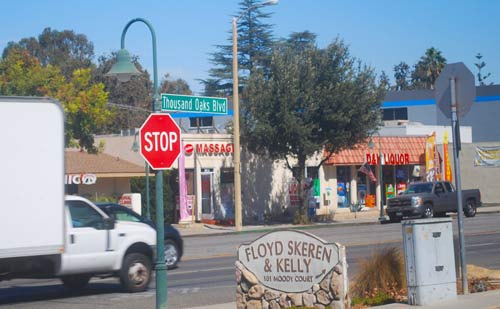
Thousand Oaks is often mentioned as a realistic option for seniors who are approaching retirement or are already retired.
If we examine the reasons without emotion, it becomes clear. First is the weather. Thanks to the mild climate unique to Southern California, there are almost no freezing days even in the middle of winter, and summers are not extremely humid. As people age, they become more sensitive to temperature changes, and this area minimizes that burden. A light morning walk and an afternoon stroll in the sun become a natural part of life.
The second reason is safety. Thousand Oaks is frequently cited as one of the safest cities in the United States.
This is not just a perception; it is something that is felt in daily life. Walking around the neighborhood at night or going grocery shopping alone does not create significant tension. For seniors, this sense of 'not feeling anxious' is a more important factor than one might think.
The third reason is healthcare accessibility.
There is a comprehensive hospital like Los Robles Regional Medical Center in the city center, and specialized clinics are well distributed in the surrounding area.
Additionally, large healthcare systems like Kaiser can also be accessed nearby. The fact that you do not have to travel far to find a hospital provides a sense of security.
As people age, the distance to hospitals and accessibility significantly affect their quality of life.
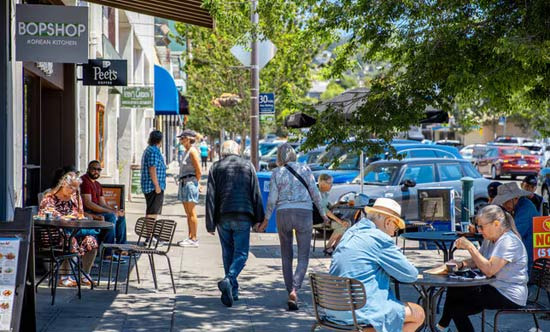
From a lifestyle perspective, there is a solid foundation for seniors.
The city offers various programs, and libraries and recreation centers host a range of classes. With consistent offerings in exercise, hobbies, and lectures, it is easy to maintain an 'active lifestyle' rather than just staying at home. Parks like Conejo Creek Park are well-maintained, making them great for light walks or sitting and relaxing.
For Korean seniors, there is another aspect to consider: the church-centered community. Places like The Bridge Church Thousand Oaks and Westlake Korean Community Church regularly host senior gatherings and programs. Interacting with people who share the same language and culture can provide significant emotional support. Especially during retirement, when social connections tend to decrease, these communities play a surprisingly important role.
However, there are clear downsides. The most practical issue is transportation. Public transportation is limited, so when the time comes that driving becomes difficult, the radius of daily life shrinks dramatically. While services like Uber and Lyft are available, the cost can be a burden for daily use. Ultimately, a transportation plan for the future is necessary.
Housing costs cannot be overlooked either. This area has relatively high home prices, so retirement financial planning needs to be conservative. Additionally, one must consider the possibility of needing assisted living or senior-specific housing as time goes on. Fortunately, Thousand Oaks and nearby Westlake Village and Newbury Park have some facilities in place, allowing for advance research and preparation.
The conclusion is simple. For seniors who can maintain their health, have basic assets, and can move independently to some extent, this city becomes a very comfortable choice. Conversely, if one has a high dependency on healthcare or limited transportation options, planning ahead is essential. Ultimately, what matters is how well one prepares for 'future changes' rather than just focusing on 'the current state.' Thousand Oaks is a fairly stable city for those who are prepared.






 Top Beaches |
 Diana Blues |
 Dragon Lee |
 Churros Train Conductor |
 Tora Tora |
 Pronunciation Yo |
 Archaic Kim |
 US Embassy |

 seadoll |
  ansdal |
  Vivid U.S. Regional Information |
  Vasila's Newlywed Blog |
  Arizona Cowboy |
  merry merry |
  Hoorah Ooorah |
  Fragile Me |
  Rowland Mama |
  foxtree |
  bayaa |
  loveyom |
  Coastal city |
  Spaghetti Flying Religion |
  My Town My Way Blog |
  holy cow |
  endone |
  starline |
  Where is a really nice neighborhood? |
  Real Estate |