

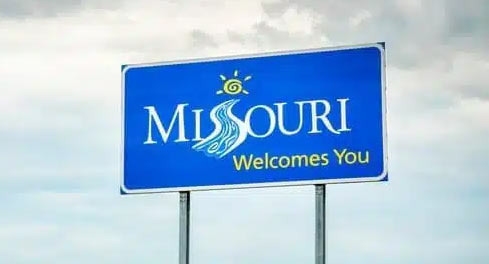
In Missouri, a blood alcohol concentration (BAC) of 0.08% or higher is considered 'driving while intoxicated' (DWI). Commercial drivers are subject to a BAC limit of 0.04%, and those under 21 can be charged with DWI for a BAC of just 0.02%.
Thinking "a drink or two should be fine" can lead to immediate license suspension, fines, and a criminal record. In Missouri, police can stop you if they feel you are driving erratically and request a breath test. Refusing the test results in an automatic one-year license suspension, and a record of refusal is kept by the DMV.
Some states in the U.S. refer to this as DUI (Driving Under the Influence), while Missouri uses DWI (Driving While Intoxicated) due to differences in state traffic law systems. Both terms mean 'driving under the influence of alcohol or drugs,' but their legal definitions and scopes differ slightly.
Generally, DUI encompasses a broad range of 'substances affecting mental faculties,' including alcohol, drugs, and prescription medications. In contrast, DWI focuses on being 'intoxicated,' meaning impaired judgment or physical ability due to alcohol. Missouri has traditionally crafted laws around alcohol-related offenses, which is why DWI is the official term used.
Nonetheless, even first-time offenders in Missouri face significant penalties. A first DWI is classified as a misdemeanor but can result in up to six months in jail and fines of up to $1,000. Additionally, a minimum 30-day license suspension is standard, followed by a 60-day period where only a 'restricted license' is allowed.
The court typically orders first-time offenders to participate in an alcohol education program or rehabilitation process ("SATOP"). Ignoring this requirement makes license restoration impossible. It's not just a matter of paying a fine.
From the second offense onward, the situation changes. A second offense is classified as a 'Persistent Offender,' escalating to a felony. In this case, a minimum of 10 days of incarceration is mandatory, and fines increase significantly.
From the third offense, the individual becomes an 'Aggravated Offender,' facing a license suspension of five years or more, long-term imprisonment, and mandatory community service. In major cities like St. Louis or Kansas City, a double points system complicates the process of license reinstatement after cancellation.
Missouri particularly mandates the installation of an 'Ignition Interlock Device' for repeat offenders. This device requires the driver to blow into it before the vehicle will start. If alcohol is detected, the engine will not start, and data is automatically sent to the court and DMV.
The costs of installing and maintaining this device are borne entirely by the driver. Moreover, DWI records typically remain for ten years, which can lead to disadvantages in jury duty or public employment, and insurance premiums often triple.
Drivers under 21 face even stricter regulations. Just one sip can lead to charges, and a BAC of 0.02% results in immediate license suspension. Even if not actually driving, possessing keys in a vehicle while drinking can lead to arrest for 'Minor in Possession.' Thus, if a friend is drinking and sitting behind the wheel, the underage passenger is also likely to face penalties.
Additionally, Missouri enforces an 'Implied Consent Law.' Upon obtaining a license, all drivers are considered to have consented to police breath test requests. Refusing results in automatic administrative penalties, requiring a separate legal appeal process. In most cases, refusing is more detrimental.
However, Missouri's DWI enforcement is not solely punitive. Courts offer first-time offenders opportunities to participate in rehabilitation programs and receive treatment for alcohol addiction. Some counties operate a separate judicial system called 'DWI Court,' focusing on treatment for repeat offenders. This is a social experiment aimed at reducing recidivism.
Ultimately, driving under the influence in Missouri is not just a matter of 'bad luck' but can be a life-altering event caused by a momentary mistake. The record is scarier than the fine, and trust is easier to lose than a license.
Thus, Missouri road signs always carry the message: "Drive Sober or Get Pulled Over."







 roma |
 Kansas City Representative Singer |
 calviro |
 Iri Jori Missouri |
 calvix |
  Tora Tora |
  yellowbutter |
  Dolly |
  US Embassy |
  NYC saladbar |
  Finding Superfoods |
  lightyear |
  song bang |
  vexomo |
  Indiana Jones |
  meloncat |
  novapixel |
  mortrix |
  Esther 1983 |
  fortbliss |
  Moscow Kim |
  My Two Way |
  toastyfox |
  FLORIDA Acus |
  tracker |