
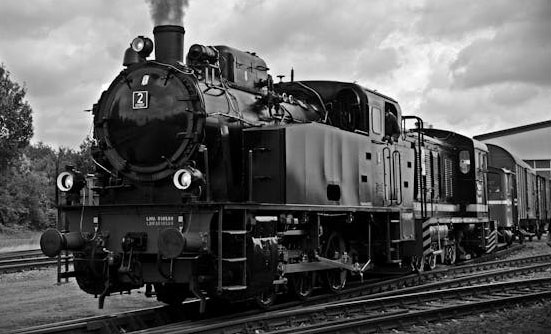
The American West was a period from the early 19th century to the early 20th century when the United States expanded its territory west of the Mississippi River, establishing new settlements. This era brought significant economic, political, and cultural changes to American history, with the introduction and expansion of railroads being a crucial factor that accelerated this process.
1. Historical Background of the Westward Expansion
Territorial Expansion
- Louisiana Purchase (1803): The purchase of vast territories west of the Mississippi River from France laid the groundwork for westward expansion.
- Mexican-American War (1846-1848): As a result of this war, the United States acquired vast territories including California, Texas, Arizona, and New Mexico.
- Oregon Treaty (1846): An agreement with Britain secured additional territory in Oregon.
Gold Rush (1848-1855)
- The California Gold Rush prompted many people to migrate westward. Immigrants and settlers searching for gold stimulated economic and population growth in the West.
Homestead Act (1862)
- The U.S. government encouraged westward settlement by selling or distributing land at low cost or for free, accelerating the formation of agriculture-based settlements.
2. Introduction and Development of Railroads
Completion of the Transcontinental Railroad (1869)
- The connection of the Central Pacific Railroad and the Union Pacific Railroad at Promontory, Utah, completed the first transcontinental railroad in the United States, significantly facilitating the movement of people, goods, and capital between the East and West.
Scale of Railroad Construction
- Railroad construction required a large labor force, with Chinese immigrants and Irish laborers playing crucial roles in building the railroads.
- The expansion of railroads accelerated economic integration within the United States and promoted active exchanges between regions.
3. Impact of Railroads on Westward Expansion
Economic Growth
- Logistical Innovation: Railroads enabled the transportation of agricultural products, minerals, and timber produced in the West to Eastern markets, while also allowing Eastern manufactured goods to be shipped to the West.
- Expansion of Agriculture: Railroads increased accessibility to agricultural areas, making large-scale farming possible in the West.
- Industrial Development: The transportation of raw materials via railroads stimulated the growth of the steel, coal, and timber industries.
Population Movement
- Railroads facilitated migration to the West. Settlers could travel quickly via rail, and railroad companies offered affordable land to immigrants to encourage settlement.
- Urbanization was promoted, leading to the formation of new towns along railroad lines.
Cultural Changes
- Railroads fostered cultural exchange between the Eastern and Western United States. Newspapers, books, and goods were rapidly delivered via rail, allowing Western settlers to access the latest information and products from the East.
Conflicts with Native Americans
- The construction of railroads and migration to the West encroached on Native American lands, causing conflicts. Many Native Americans were forcibly relocated or lost their territories due to railroad construction.
- Buffalo Extinction: The construction of railroads led to a surge in buffalo hunting, which weakened the survival base of Native Americans.
4. Railroads and the Integration of America
- Railroads served not only as a means to connect the West to the East but also played a role in uniting the entire country.
- Economic Integration: Railroads connected regional economies, allowing the United States to operate as a single economic unit.
- Political Integration: Railroads strengthened control over new territories and facilitated the rapid integration of Western states into the Union.
The American West was a crucial period that propelled the United States to become a global power through territorial expansion, population growth, and economic development. In this process, railroads played a key role in Western settlement and economic integration. However, this also led to adverse effects, such as the destruction of Native American lives and environments. The impact of the Westward Expansion and railroads remains a deeply rooted legacy in today's American history and culture.







 Weekend Movie Blog |
 Beauty, Health, Lifestyle Blog |

 coloradoman |
 Superman Cat Blog |
 novapixel |
  Korean Mom |
  My NYC |
  moo moo |
  Mr Oh |
  forevergee |
  festival |
  manchester |
  constant |
  Leapfrog Move |
  vibranto |
  Tora Tora |
  yellowbutter |
  Dolly |
  US Embassy |
  NYC saladbar |
  Finding Superfoods |
  lightyear |
  song bang |
  vexomo |
  Indiana Jones |