
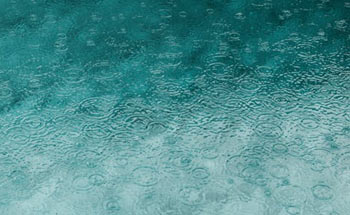
Average Annual Rainy Days
Alabama receives an average of about 90 days of rain annually. This figure may vary slightly depending on different regions within the state, but overall, due to its humid climate, rain is frequent. Rain mainly falls in spring and autumn, while sudden downpours often occur during summer thunderstorms. Winter is relatively dry, but rain can occasionally accompany cold snaps.
Average Monthly Rainfall
The average monthly rainfall in Alabama varies significantly by season. The average rainfall for each month is as follows:
- January: About 4.0 inches of rain.
- February: About 4.2 inches of rain.
- March: About 5.5 inches of rain.
- April: About 5.2 inches of rain.
- May: About 5.8 inches of rain.
- June: About 6.5 inches of rain.
- July: About 6.7 inches of rain.
- August: About 6.3 inches of rain.
- September: About 5.9 inches of rain.
- October: About 5.0 inches of rain.
- November: About 4.5 inches of rain.
- December: About 4.1 inches of rain.
Main Features:
Spring (March to May): Spring is a time of rapid increase in rainfall in Alabama. Particularly in May, strong thunderstorms often bring heavy rain as a precursor to summer rainfall.
Summer (June to August): Summer records the highest rainfall in Alabama. Due to high temperatures and humidity, frequent thunderstorms and heavy rain from hurricanes occur.
Autumn (September to November): Autumn still sees significant rainfall, but there is a gradual trend towards dryness. Particularly in September, rainfall may increase due to the influence of hurricane season.
Winter (December to February): Winter is relatively dry, with lower rainfall amounts. However, rain can occasionally occur with cold snaps.
Average Annual Snowfall
Alabama has a predominantly warm climate, resulting in very little snowfall.
Record Rainfall and Snowfall
Record Rainfall: The highest recorded rainfall in Alabama occurred during a downpour on May 15, 1916, with 11 inches (about 280mm) of rain. This rainfall resulted from a concentrated downpour over a short period, causing severe flooding and inundation in the area.
Record Snowfall: The highest recorded snowfall in Alabama was 2 inches (about 51mm) of snow that fell on January 31, 1989. This snowfall was a very unusual event, causing traffic disruptions and infrastructure damage.
Regional Climate Characteristics
Alabama's climate varies somewhat by region. The main regional climate characteristics are as follows:
North Alabama: The northern region has a slightly colder climate than other areas of the state, with somewhat higher rainfall. Snow is rare in winter.
Central Alabama: The central region maintains a relatively mild climate, with moderately distributed rainfall. It is an agricultural area where rain plays an important role.
South Alabama: The southern region has the warmest and most humid climate, with frequent hurricanes and strong thunderstorms during summer. Coastal areas are particularly affected by hurricanes.
Alabama's climate is characterized by warm, humid summers and mild winters.
With an average of 90 rainy days per year and monthly average rainfall varying by season, extreme weather events like the record rainfall of 1916 can also occur.





 Alabama Bang |

 Information on All Regions of the United States |


 Skyline |
  laro90 |
  MEDBIO American Doctor Blog |
  SWAT TEAM BLK |
  DREAM BIG |
  frostbite |
  330 Forever My Love |
  El Dorado |
  dralix58 |
  Gorama Round |
  Skydiving |
  dreamport |
  Yellow Snowman |
  Toaster Pizza Magic Show |
  velvetnom |
  Anytime Journey |
  Mrs. Duluth |
  jaxter |
  Atlanta Mama |
  Baguette Blog |
  Tan Sol |