
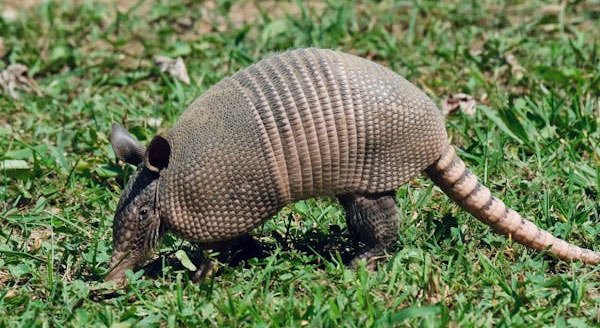
The armadillo is a mammal commonly found in the southern and mid-southern regions of the United States, including Tennessee, with the nine-banded armadillo being particularly prevalent. Armadillos are characterized by their armor-like tough skin, which, along with their appearance and habits, attracts the interest of many people. They are known for their habitats, feeding habits, and unique ecological characteristics.
Armadillos primarily inhabit the southern and mid-southern regions of the United States, with Tennessee being one of their main habitats. They prefer temperate climates and thrive in moist environments and warm weather, as they are sensitive to winter cold.
- Habitat: Armadillos can inhabit a variety of environments, including forests, grasslands, farms, and wetlands. In Tennessee, they are often found in rural and forested areas, using small holes or vines as hiding places.
- Climate: Armadillos adapt well to warm climates and are sensitive to changes in habitat and temperature, which limits their habitat in northern regions due to winter cold. Tennessee provides a suitable mild climate for armadillos.
Armadillos are omnivorous animals, primarily feeding on insects, invertebrates, and some plants. They are mostly nocturnal and have an excellent ability to find hidden food underground.
- Insects and Invertebrates: The main diet of armadillos consists of insects, earthworms, and microorganisms. They use their claws to dig into the ground to eat worms or insects found within. They primarily dig at night, searching for their main food source.
- Plants: While armadillos can eat fruits or plant roots, they mostly prefer animal-based food.
- Foraging Method: Armadillos use their highly sensitive sense of smell to locate food. They excel at digging up insects from the ground, allowing them to efficiently secure food in their habitat.
Armadillos have a defensive survival strategy, using their tough armor to protect themselves from predators. The armor of an armadillo is made of tough skin, which allows them to be protected from attackers when threatened.
- Armor: The distinctive appearance of an armadillo is its tough, armor-like skin. This armor has a segmented structure, which is very useful when the armadillo rolls up or hides in a burrow.
- Posture: When threatened, an armadillo may roll up and lie down to protect itself by curling its body. This characteristic helps them defend against external threats.
Ecological Role of Armadillos in Tennessee
Armadillos play an important role in the ecosystem. They help regulate the population of insects and invertebrates and contribute to activating the underground ecosystem by digging into the soil. Additionally, the holes left by armadillos provide shelter for other animals.
Insect Regulation: By eating insects, armadillos can reduce harmful pests that affect agricultural activities. This contributes to crop protection, as armadillos control pests, providing a beneficial ecological role for farmers.
Soil Health: As armadillos dig through the ground, they increase soil aeration and contribute to activating the underground ecosystem. These activities help maintain soil fertility in nature.
Armadillo Conservation and Human Relations
While armadillos are sometimes consumed or hunted in certain areas, their numbers are not declining. They can be affected by diseases or habitat destruction, but efforts are being made to protect their habitats and preserve the natural environment in various regions, including Tennessee.
- Diseases: Armadillos can carry diseases such as leprosy, which raises concerns about disease transmission between armadillos and humans in some areas. However, the risk of transmission through contact with armadillos is relatively low.
- Habitat Protection: Local efforts are also needed to protect armadillo habitats and preserve the natural environment to ensure they are not threatened.
In Tennessee, armadillos play an important ecological role, regulating insects and activating the soil, fulfilling significant duties in nature. Their feeding habits and habitats have a profound impact on the ecosystem in this region, making them an important presence for understanding the natural environment.






 swiftlane |
 truepixel |
 Choco Mint Creator |
 U.S. Weather Bureau News |
 Tora Tora |
  yellowbutter |
  Dolly |
  US Embassy |
  NYC saladbar |
  Finding Superfoods |
  lightyear |
  song bang |
  vexomo |
  Indiana Jones |
  meloncat |
  novapixel |
  mortrix |
  Esther 1983 |
  fortbliss |
  Moscow Kim |
  My Two Way |
  toastyfox |
  FLORIDA Acus |
  tracker |